
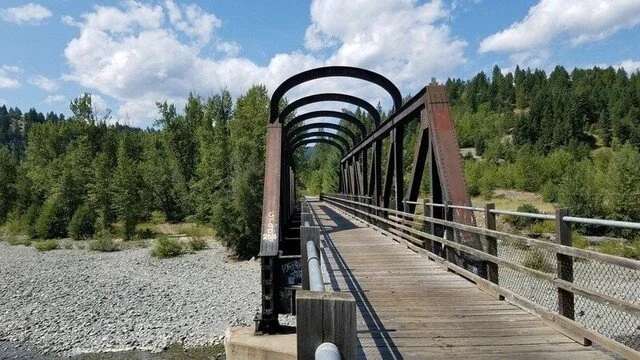
The British Columbia Snowmobile Federation (BCSF) has been notified by the Ministry of Environment & Parks of the Province’s decision to permanently deactivate a 67-kilometre section of the Kettle Valley Rail Trail (KVRT) between Princeton and the Coldwater River.
This corridor sustained significant damage during the November 2021 atmospheric river event. Following site investigations, engagement processes, and cost-benefit analysis, the Province has indicated it will proceed with phased deactivation beginning in 2026.
While this specific section of trail is not primarily used for snowmobiling, the decision reflects a broader growing challenge facing recreation infrastructure across British Columbia - namely, the permanent removal of established public access corridors and infrastructure rather than reinvestment in their long-term resilience.
What “Deactivation” Means
The Province has indicated that deactivation will include:
Removal of bridge superstructures and culverts
Restoration of natural hydraulic connectivity in certain sections
Installation of drainage controls
Transition of the corridor away from maintained recreational infrastructure
Once infrastructure is removed, re-establishing the corridor would require significant new capital investment.
Connectivity & Alternate Alignment
Public communications have referenced an alternate route intended to maintain connectivity within the Trans Canada Trail network. The BCSF has requested clarification regarding how this alternate alignment will be formalized, including detailed mapping and governance responsibilities related to its long-term maintenance and safety as well as quality of experience for users.
BCSF Engagement
The BCSF has formally requested from Ministry staff requesting:
GIS/KML mapping of phased deactivation boundaries
Details on planned infrastructure removals
Clarification regarding alternate connectivity
Information on any partnership or cooperative management agreements associated with this section
The Federations objective is to fully understand the technical, governance, and long-term infrastructure implications of this decision before determining further action. The BCSF is also actively engaging with affected Federation member snowmobile clubs and recreation partners to ensure coordination and informal sharing.
Why This Matters for snowmobilers
Trails such as the KVRT often function as critical public infrastructure across British Columbia that provide:
Safe, family-friendly access routes
Community connectors
Winter staging and access corridors
Tourism infrastructure supporting rural economies
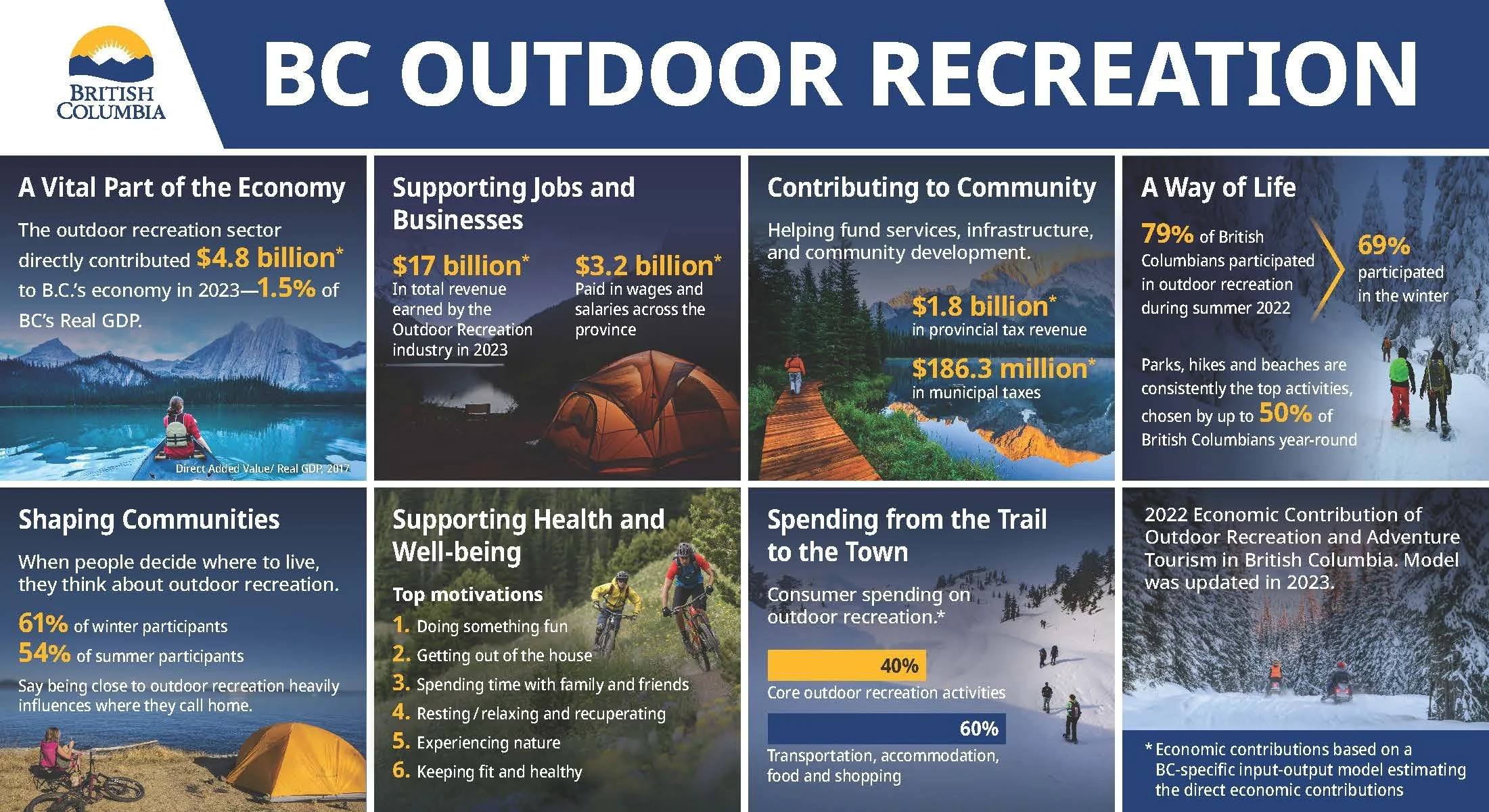
Outdoor recreation and tourism now represent one of British Columbia’s leading economic contributors, generating $4.8b each year to the provincial economy and thousands of jobs in rural communities.
Within that framework, snowmobiling alone contributes approximately $299 million annually to the provincial economy through a largely volunteer-driven, user pay infrastructure system.
The Model Requires Stable Base Infrastructure
British Columbia’s snowmobile recreation network operates under a unique partnership framework in which local clubs hold formal agreements with the government to manage and maintain recreation infrastructure. Through memberships and day-use fees, clubs fund grooming, trail maintenance, shelters, and safety programs — delivering high-value public recreation services with minimal government operating cost.
This model, however, relies on consistent government policy related to foundational public assets such as access corridors, bridges, forest resource roads, and long-term land-use planning.
When established infrastructure is permanently removed, rather than repaired or strategically reinvested in, it undermines the stability of these partnership systems and threatens the sustainability of rural recreation economies across the province. Recent and growing examples of this can be found HERE.
Next Steps
The BCSF is currently:
Gathering technical and governance information
Engaging directly with affected clubs and recreation partners
Monitoring phased implementation timelines
Assessing potential impacts on winter access and connectivity
In addition, the BCSF is preparing a formal submission to the Minister of Environment and Parks addressing this decision within the broader context of provincial recreation infrastructure planning.
As outdoor recreation continues to be a cornerstone of British Columbia’s economic and community wellbeing, decisions involving permanent removal of established public access corridors warrant careful, long-term infrastructure consideration. The BCSF will continue to provide updates as additional information becomes available.
Clubs or stakeholders with relevant agreements, access considerations, or local insight are encouraged to contact the Federation directly.