Opinion: Tourism Growth Must Include Rural British Columbia
Yesterday, the Government of British Columbia released its Look West: Tourism Sector Action Plan, a strategy aimed at doubling tourism revenue to $48 billion by 2036. The BC Snowmobile Federation welcomes the Province’s recognition that tourism is a major driver of economic growth.
But as the strategy moves forward, an important question remains: how will rural British Columbia share in that growth?
Much of the plan focuses on attracting international travellers, hosting major events and encouraging private investment. In practice, these opportunities tend to concentrate in major urban centres and a limited number of high-capacity destinations that already receive the majority of visitation.
British Columbia’s tourism brand, however, has long been built on something different — the opportunity for visitors to experience the province’s landscapes, cultures and values. Those experiences do not happen inside stadiums or glass towers. They happen outdoors, across the province, in the communities and wild places that define British Columbia.
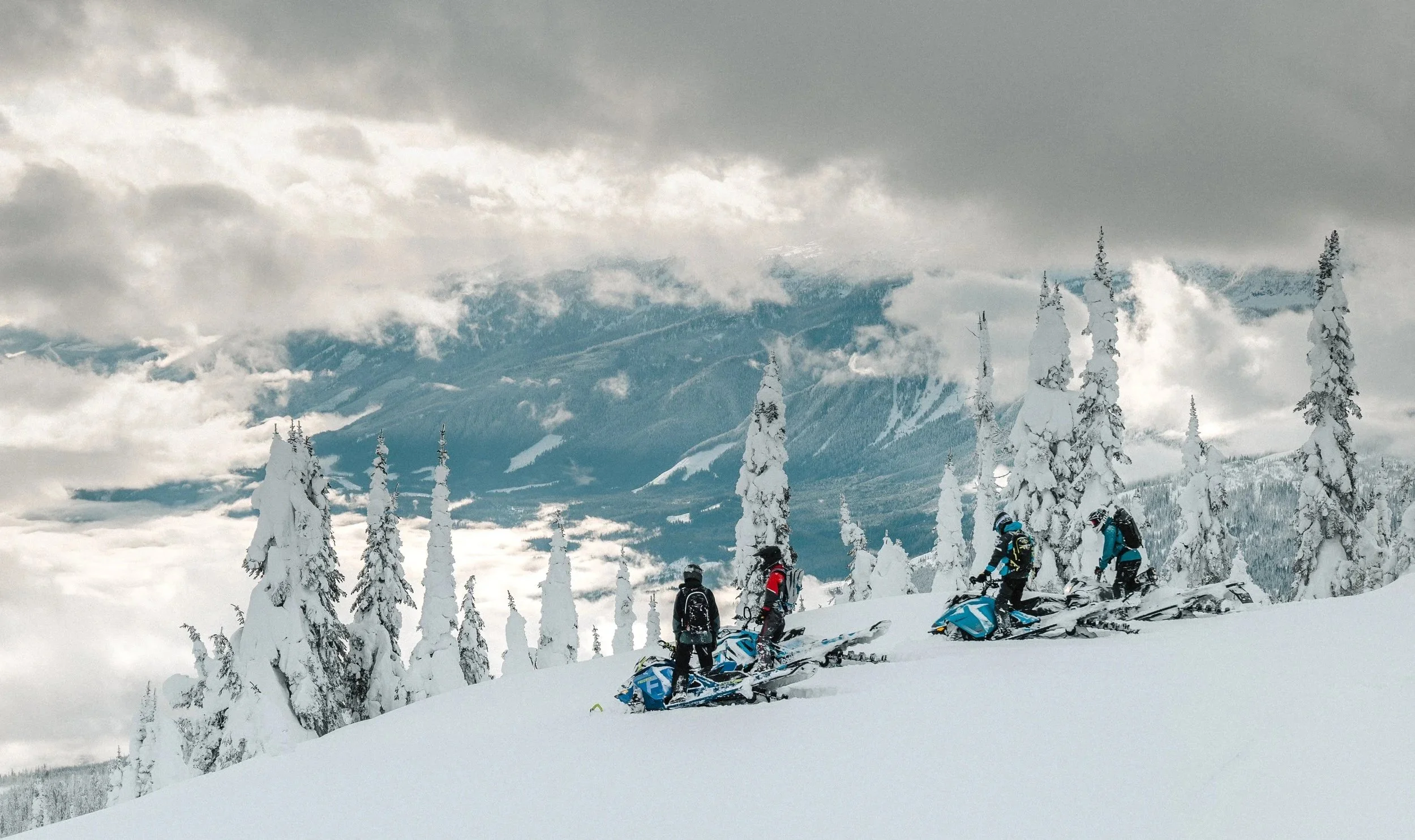
Snowmobiling is one example of how that experience is already being delivered across rural British Columbia — though increasingly challenged by policies that limit access to the very landscapes that make these experiences for visitors and local residents possible.
Across the province, snowmobiling contributes $299.2 million in annual economic output and supports approximately 4,272 full-time equivalent jobs, almost entirely in rural communities where winter visitation helps sustain local businesses. Riders travel to communities throughout British Columbia each winter, supporting hotels, restaurants, fuel stations, commercial operations and local retailers.
What makes this system unique is how it operates. More than 60 volunteer-driven snowmobile clubs manage riding areas across the province through partnership agreements with government. Through a user-pay model, riders fund provincial recreation infrastructure, including trail grooming, maintenance, safety signage, parking areas and backcountry shelters.
This grassroots system has created one of the most extensive snowmobile trail networks in North America, with over 18,000 kilometers of trails and more than 90 shelters maintained by local clubs. The scale of this network has helped establish British Columbia as one of North America’s premier destinations for snowmobiling.
Snowmobile clubs also work closely with Indigenous Nations through consultation and recreation planning processes. Trails, shelters and staging areas are developed through engagement with the Nations whose territories these activities take place within, reflecting shared values around stewardship and responsible enjoyment of the land.
At the same time, outdoor organizations are facing growing barriers — including the decommissioning of forestry roads and bridges that recreation relies on, reduced access to public lands overall, slow permitting processes and the loss of funding programs that once supported rural tourism development.
Commercial adventure tourism operators are also encountering challenges navigating the provincial tenure system. For example, an application for a ski-based guided operation may cost roughly $250, while a comparable snowmobile-guiding application can exceed $3,300, highlighting just one of the structural barriers facing outdoor tourism operators in this sector.
British Columbia already has a proven model for rural outdoor tourism that could help expand tourism capacity. Volunteer-driven recreation networks like snowmobiling bring visitors into small communities each winter, supporting local businesses, strengthening rural economies and delivering authentic outdoor experiences rooted in the landscapes that define the province.
If the Province truly wants tourism growth to benefit all regions of British Columbia, it must support — not undermine — the land access and recreation infrastructure that rural communities and volunteers have already invested in to make tourism and economic growth possible.
Snowmobile Tourism: Case Studies
Snowmobiling is an important economic driver for many rural communities across British Columbia, supporting local businesses, jobs and year-round outdoor recreation.
Communities like Fernie and Valemount demonstrate how snowmobilers, governments, Indigenous Nations and local businesses can work together to sustainably manage and grow this experience.
Watch these short case studies to see how this model is working in communities across BC.