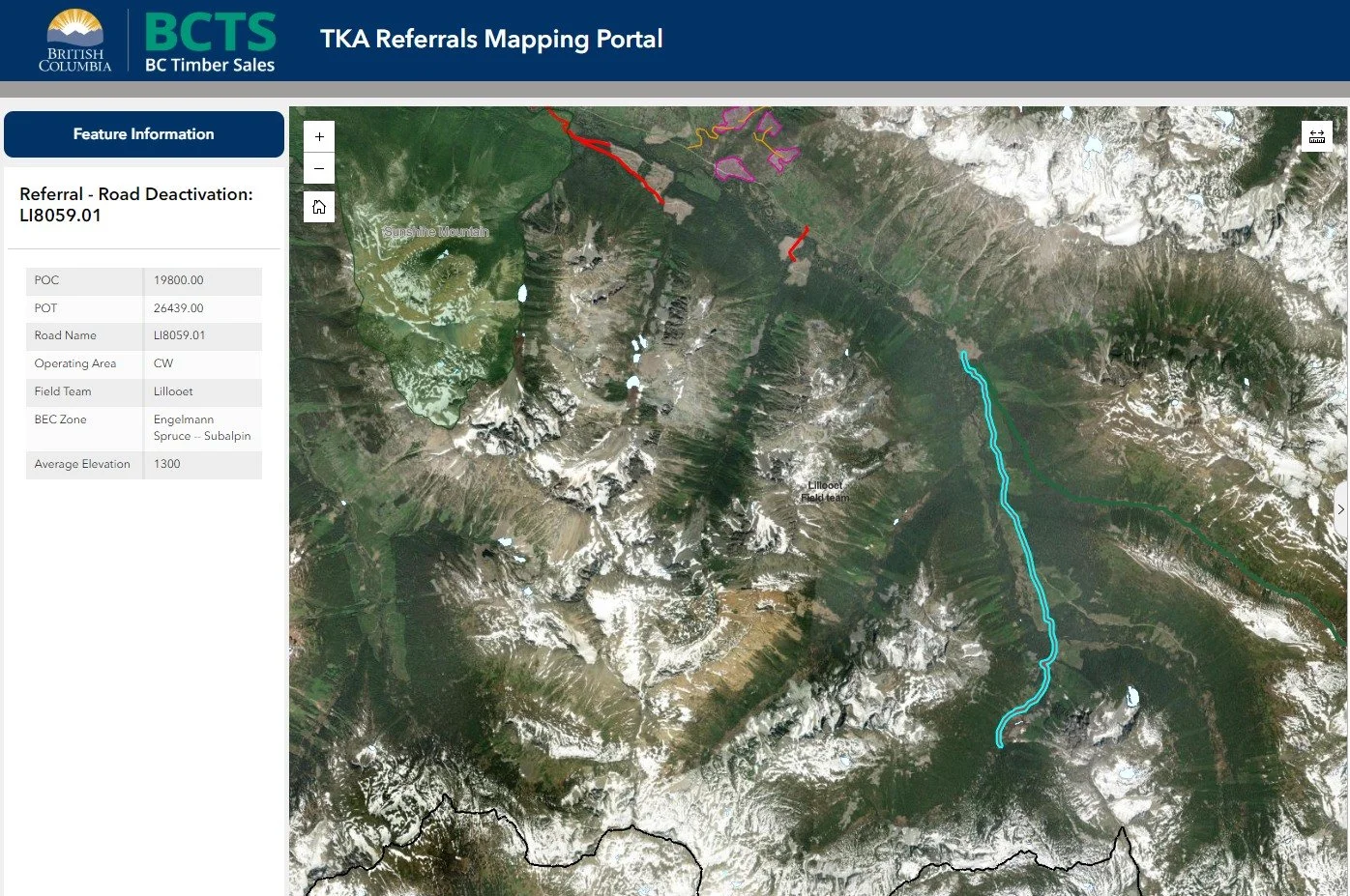
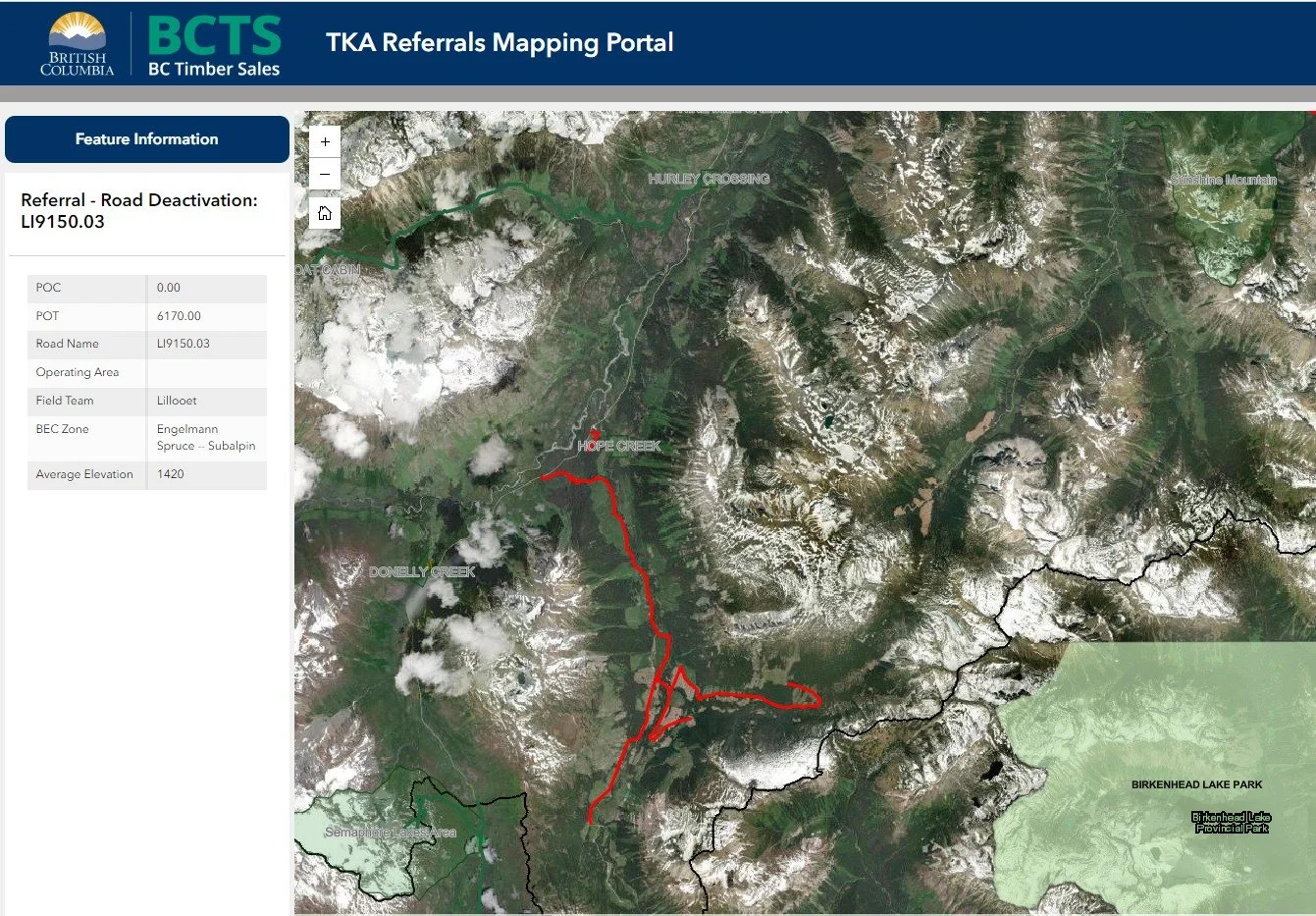
The BC Snowmobile Federation (BCSF) is providing an update regarding a recent Notice of Intent issued by BC Timber Sales (BCTS) to deactivate the Kingdom and Hope Creek Forest Service Roads (FSRs), which may impact access for the Bridge River Valley Snowmobile Club and Pemberton Snowmobile Club.
This notice represents an early step in the process. Initial outreach from BCTS was directed to landowners and later shared with recreation groups, prompting significant engagement. To date, more than 200 responses have been submitted expressing concern regarding the proposed deactivation.
The BCSF, in conjunction with local member clubs, has been actively engaged on this file and in direct communication with BC Timber Sales. We appreciate the opportunity to provide feedback and thank BCTS for taking the time to hear from the snowmobiling community and review public submissions. BCTS has also shared its appreciation for the respectful engagement from recreation users.
A Shared Landscape
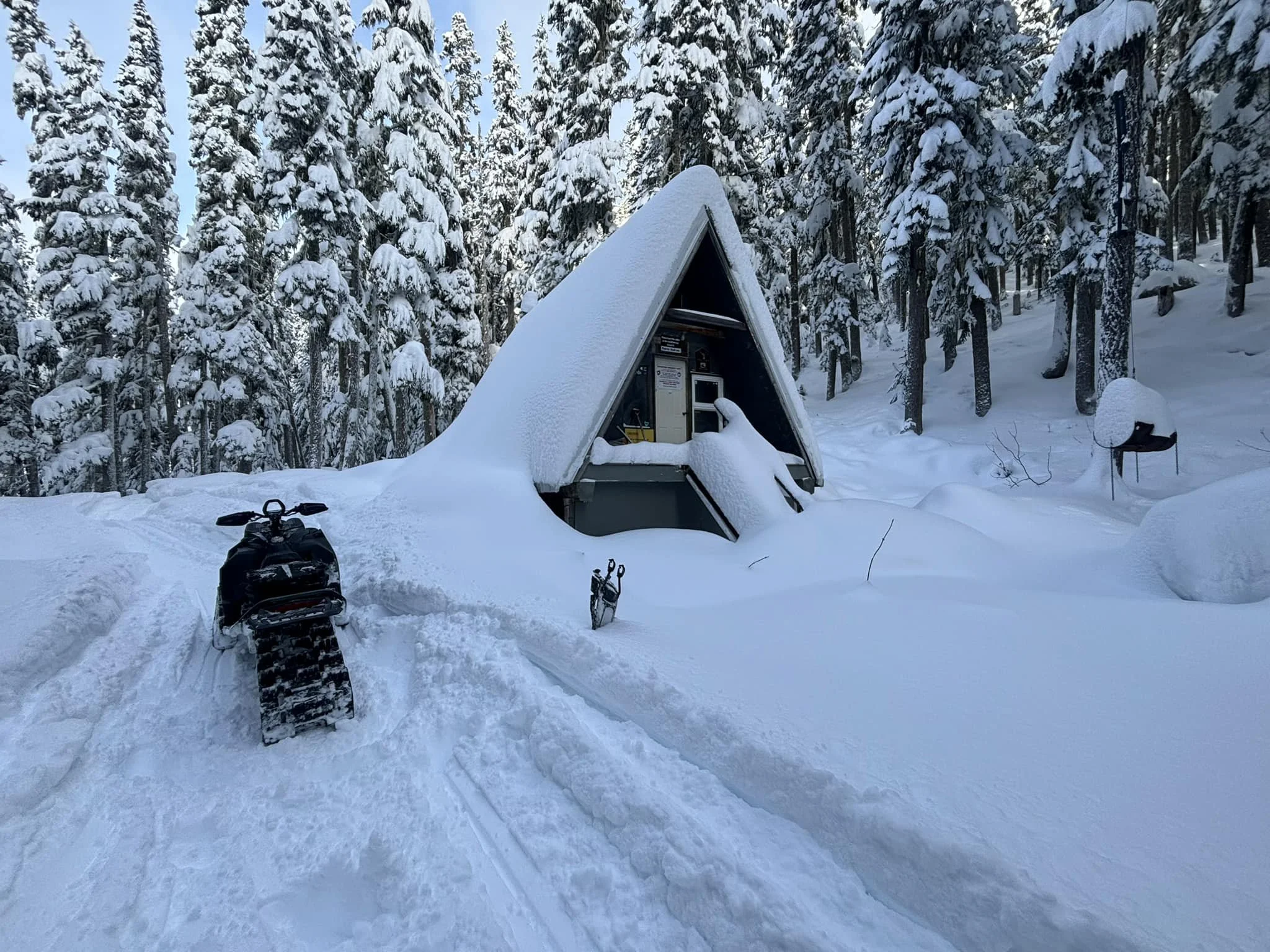
Across British Columbia, many roads that provide access to recreation areas were originally developed for forestry operations. During snow free months, they serve as active haul roads and transportation corridors. In winter, when snow covers the landscape, these same routes often become public recreation trails, many of them formally recognized and managed through partnerships between local clubs and Recreation Sites and Trails BC.
This dual use reflects a longstanding relationship between resource development and recreation, supporting access to BC’s backcountry for residents, visitors, and communities across the province. Recreation also contributes back by strengthening rural resilience, supporting tourism, and encouraging community investment.
Understanding the Bigger Picture
This situation is not unique. Across the province, similar notices are emerging as forest road networks evolve.
Two key factors are driving this shift:
Reducing cumulative environmental impacts, including road density and wildlife considerations
Rising costs and liability associated with maintaining FSRs
As a result, deactivation is becoming more common.
What Does “Deactivation” Mean?
When a licensee no longer requires a road, they are obligated to deactivate it. This can include blocking vehicle access, removing bridges and culverts, recontouring terrain, or full reclamation and replanting. At this stage, no specific deactivation prescriptions have been finalized.
Where Things Stand
The Notice of Intent is part of the referral process and provides an opportunity for stakeholders to review and comment. The District Manager may assess the value these roads provide, including recreation and community access, and determine whether deactivation should proceed or if alternatives such as tenure transfer may be considered.
Moving Forward
BC Timber Sales has indicated they plan to meet with the Cascades Forest District in the coming weeks and will present the feedback received.
This reflects a broader shift in British Columbia where environmental priorities and cost pressures are reshaping backcountry access. The BCSF is actively engaged in this work with clubs, government, and partners to ensure the value of snowmobiling, community access, and rural sustainability is clearly understood.
We will continue to keep members informed as this process develops.