SURVIVING ENJOYING THE JANUARY DRY SPELL
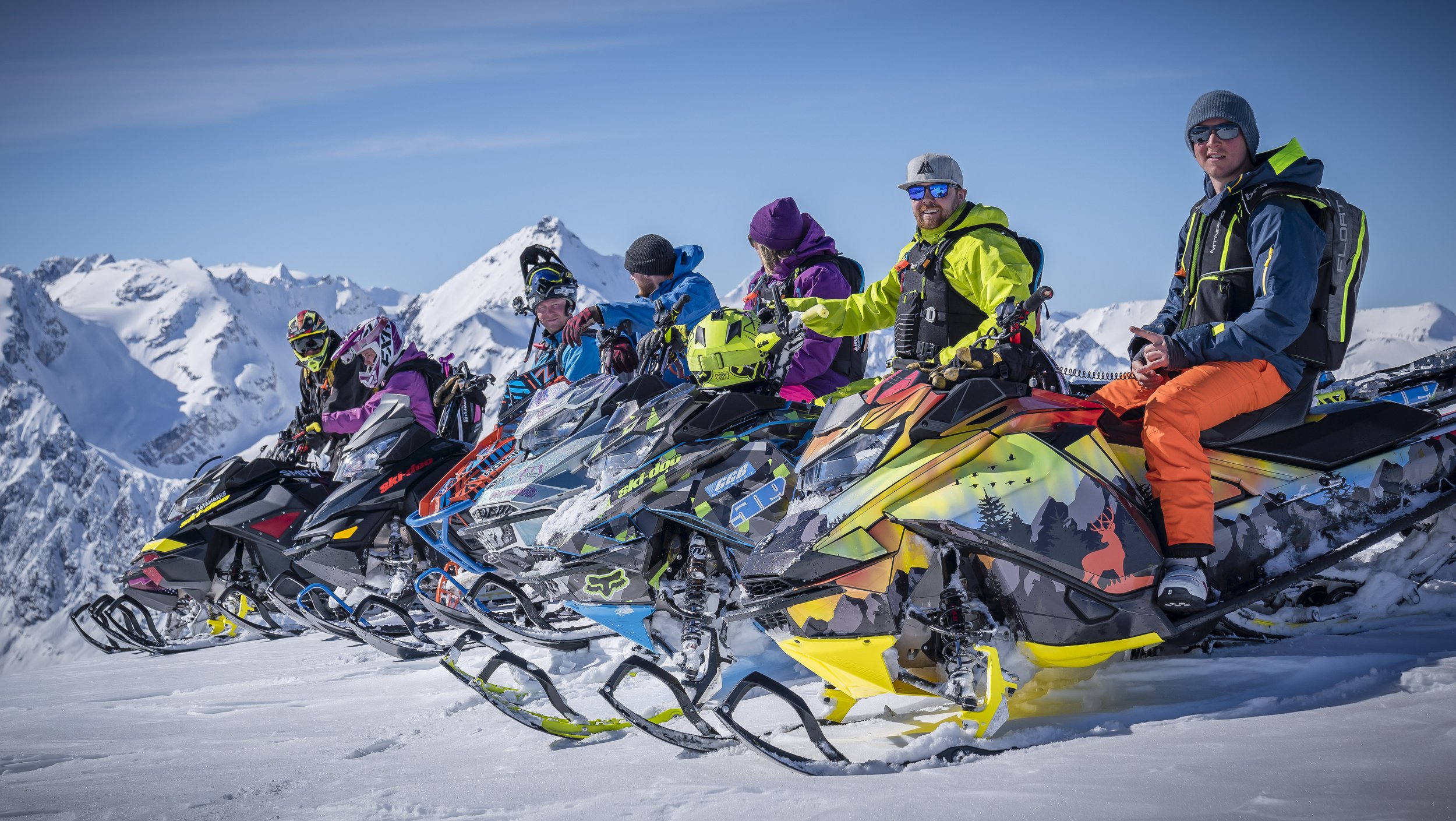
photo: Billy Stevens | Kootenay Rockies
Yes — we’re in a snowfall dry spell across parts of British Columbia. That pause has been compounded by a warm, moisture-heavy system earlier this month that affected lower-elevation access and reshaped surface conditions in some areas.
But this isn’t unusual, and it’s not a reason to write off winter.
January dry spells are part of how snow seasons unfold in BC. Snow doesn’t arrive on a perfect schedule; it comes in pulses, shaped by elevation, storm tracks, and temperature. When conditions shift, so do snowmobile clubs and the way they help us experience the season.
This moment invites a different kind of winter riding; one that’s been part of BC snowmobiling culture for decades.
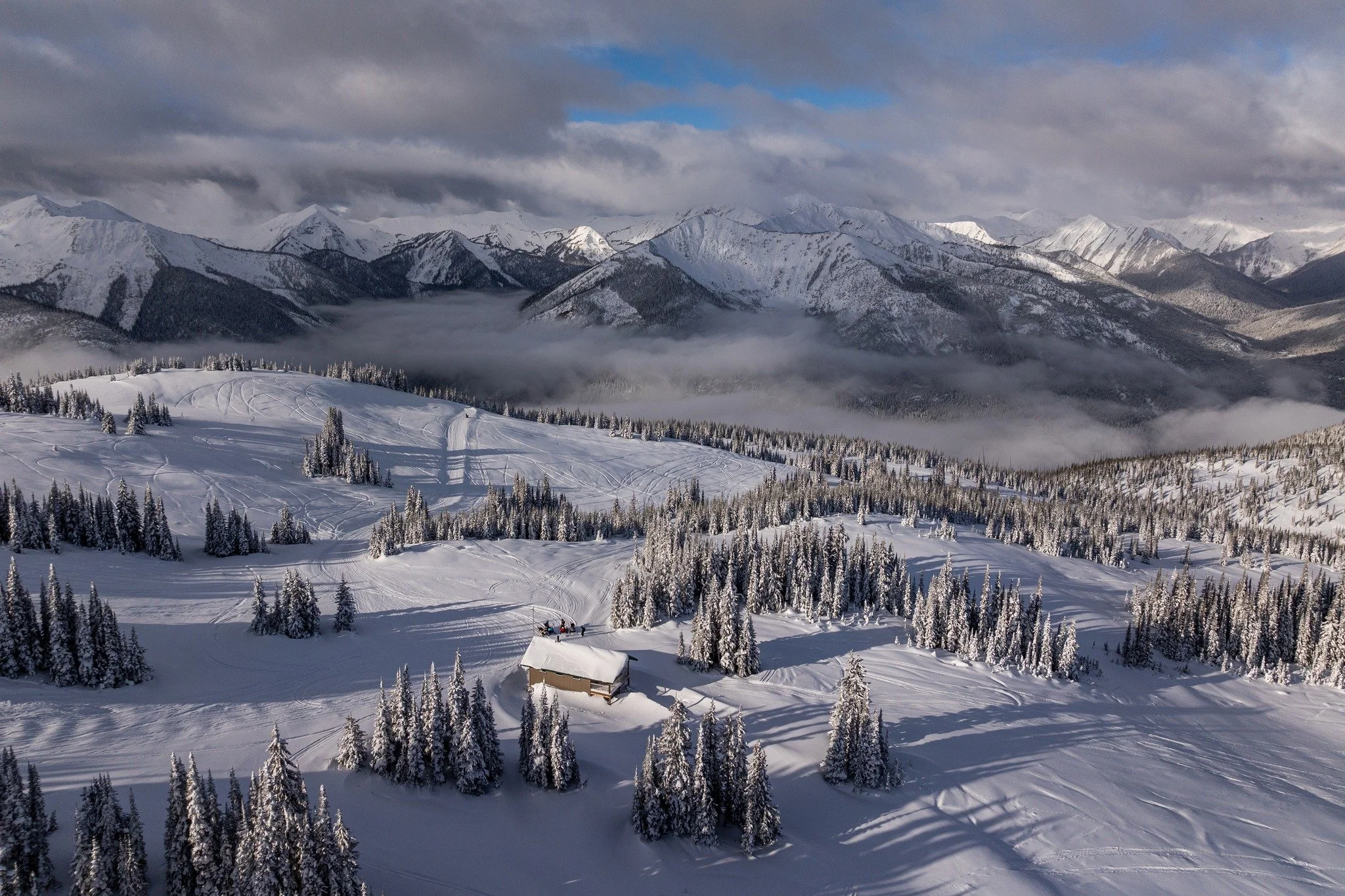
photo: Nick Nault | Valemount, BC
Why January Looks Like This
A persistent high-pressure ridge over the eastern Pacific has steered storms away from BC this month, creating a temporary lull in snowfall. When systems have arrived, they’ve tended to carry warmer, moisture-rich air — affecting all elevations.
Climate outlooks suggest the weak La Niña influence this season is fading, with ENSO-neutral conditions increasingly likely through January–March. That points to variability rather than extremes — quieter periods followed by renewed winter cycles.
Snow pillow data helps put this into perspective. Across much of BC, snow water equivalent — the amount of water deposited in the snowpack — is still tracking at or above seasonal averages. The stepped pattern visible in the graphs reflects how snowpack typically builds in BC: strong accumulation phases followed by familiar January plateaus.
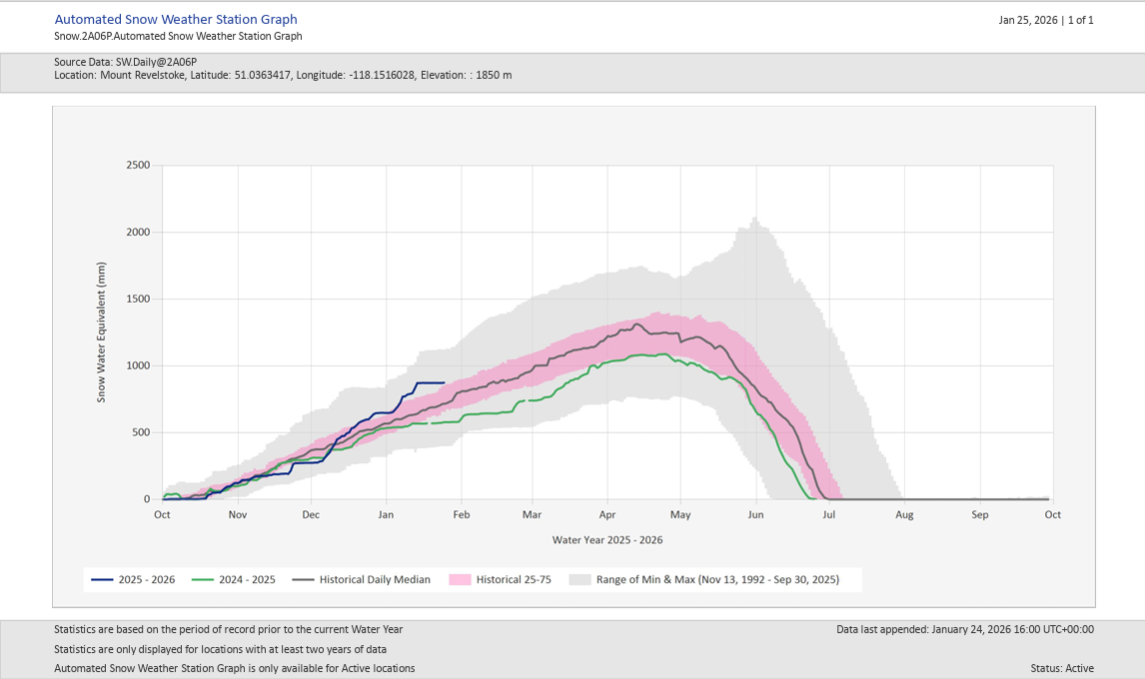
Image: Revelstoke, BC Snow Pillow Data
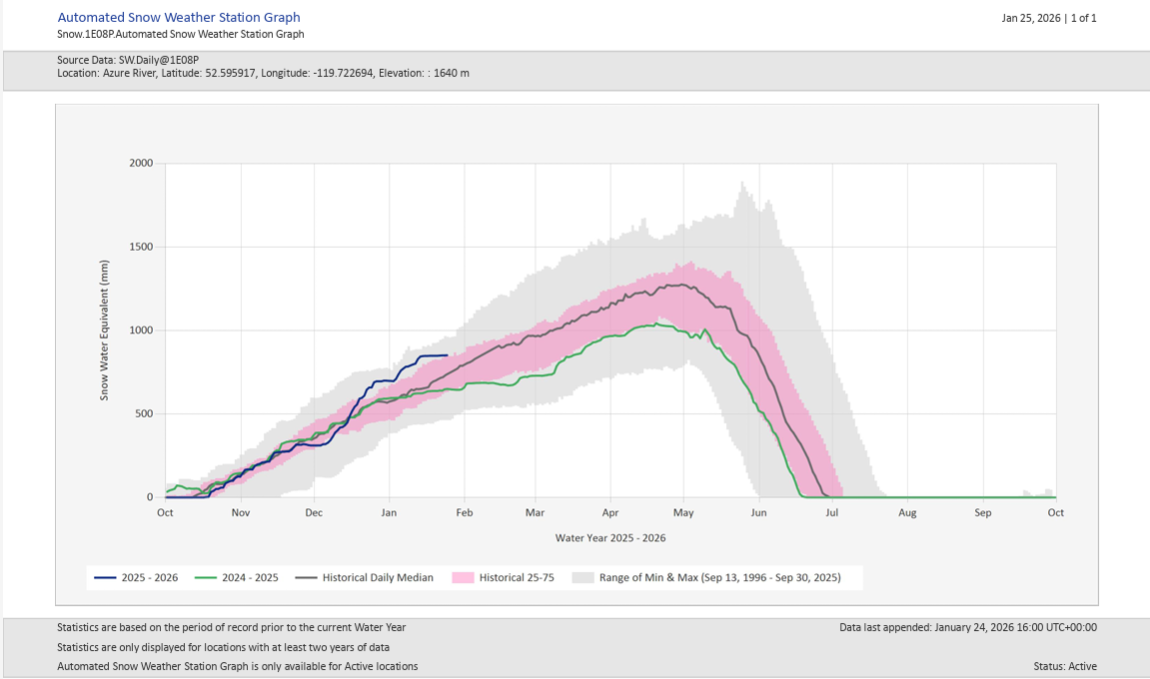
Image: Valemount, BC Snow Pillow Data
What the data doesn’t fully capture is the impact of the warm, moisture-heavy system that moved through two weeks ago, which created a firm surface crust to ridgetop in most riding areas across BC.
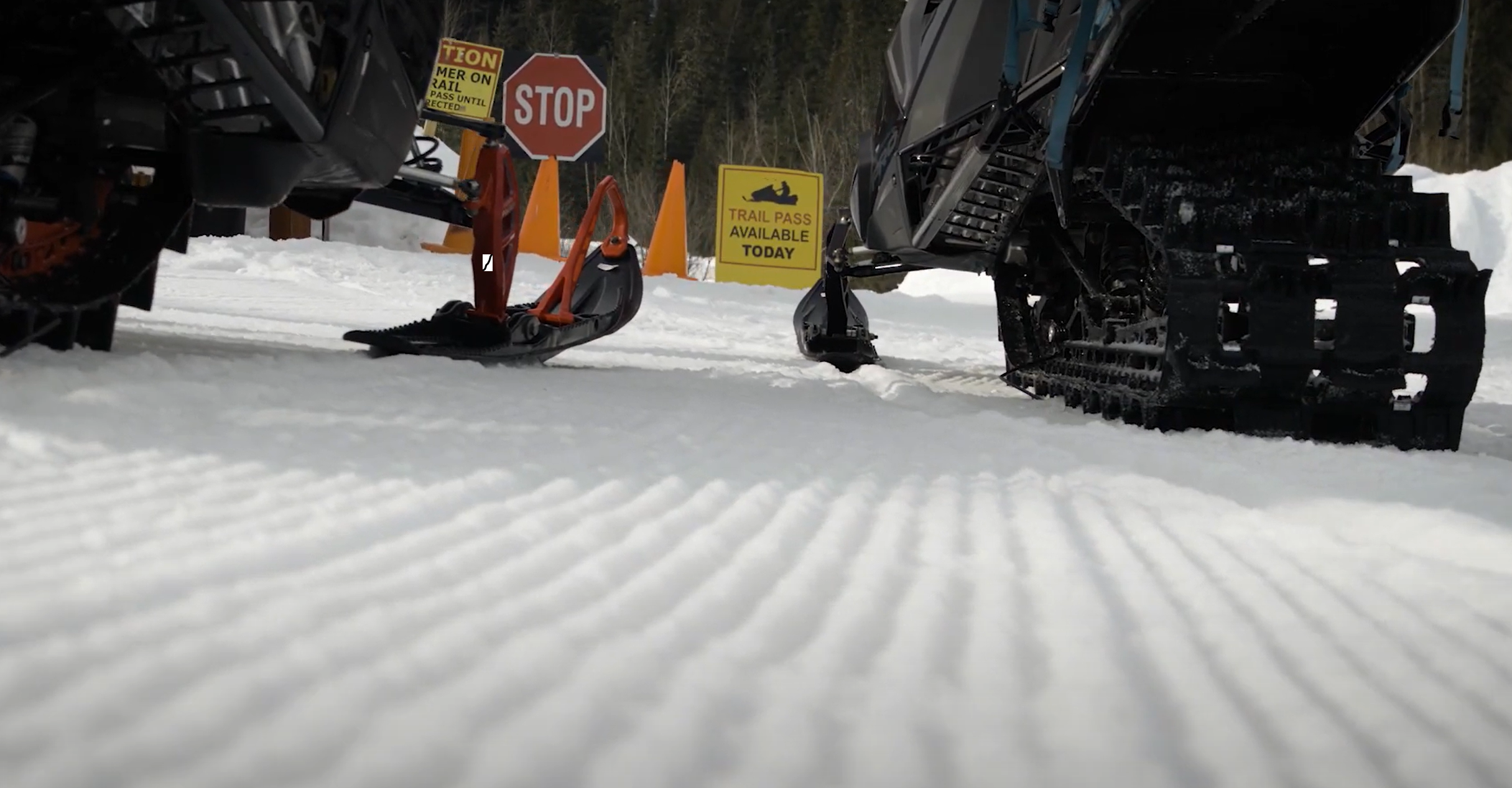
The upside is that the current weather is producing some of the best trails of the season with cooler temps supportive of the sintering required for grooming to hold up longer.
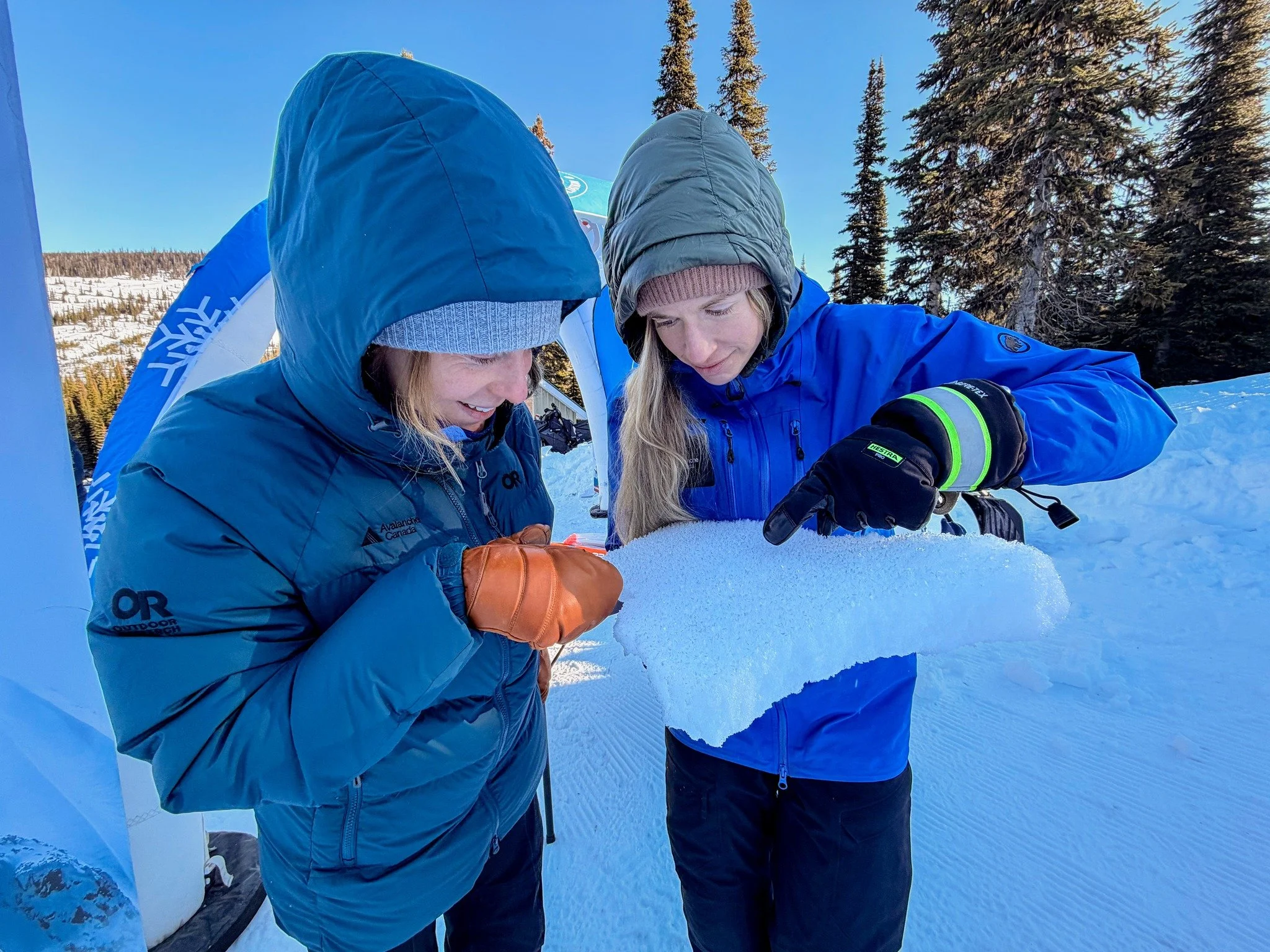
photo: Nicole Matei | Avalanche Canada South Rockies Field Team
Snowmobiling in BC Is a Culture
Somewhere along the way, snowmobiling became too often defined by deep days and peak conditions alone. But BC has always offered more than one version of winter.
Snowmobiling here is culture. It’s families riding to the cabin for hot dogs and a fire. It’s kids learning winter skills. It’s seniors still getting out because trails are groomed and accessible. It’s sleds hauling gear to ice fishing spots, or simply carrying people into quiet winter landscapes to spend time outside.
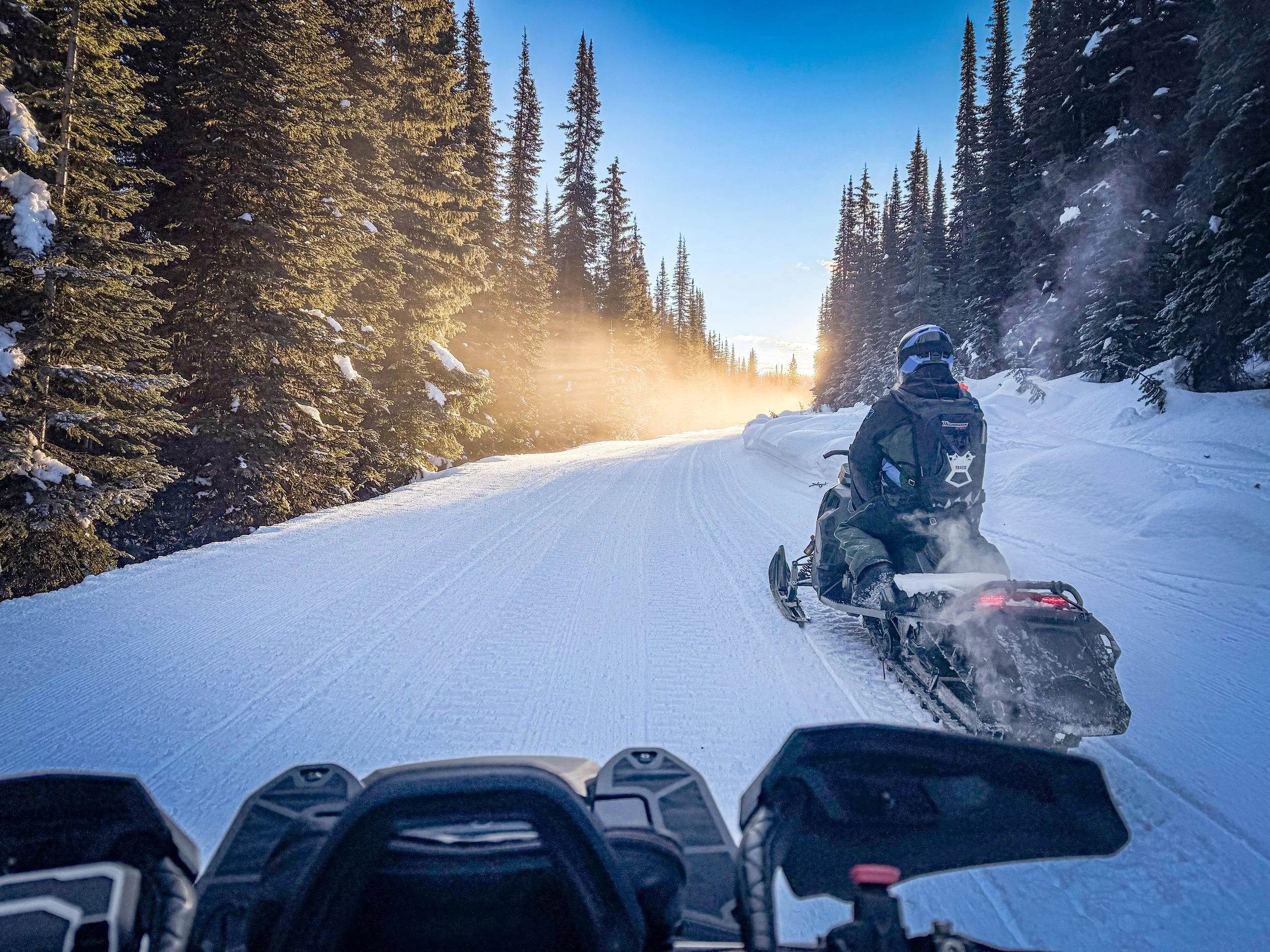
photo: Nicole Matei | Fernie, BC
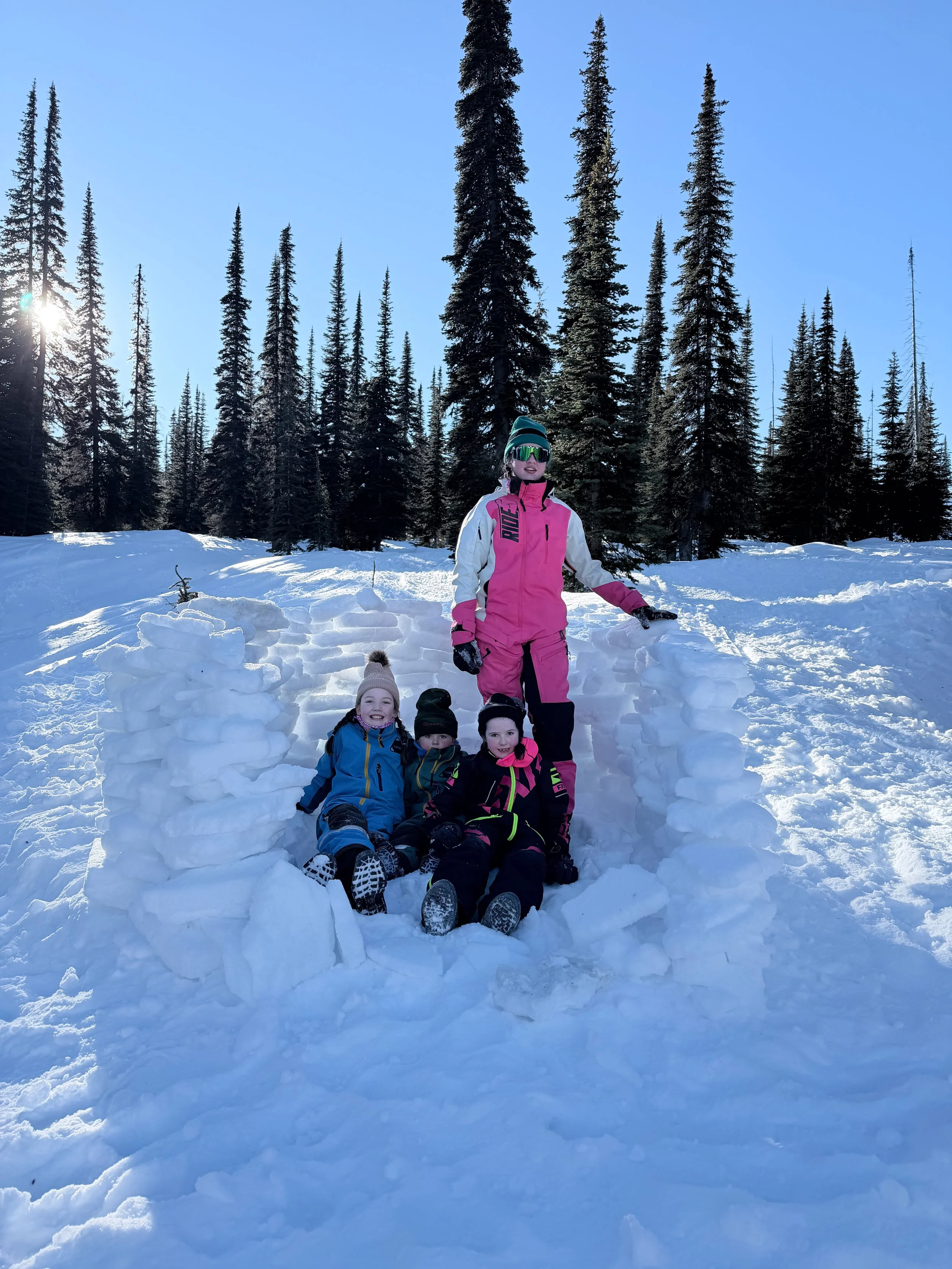
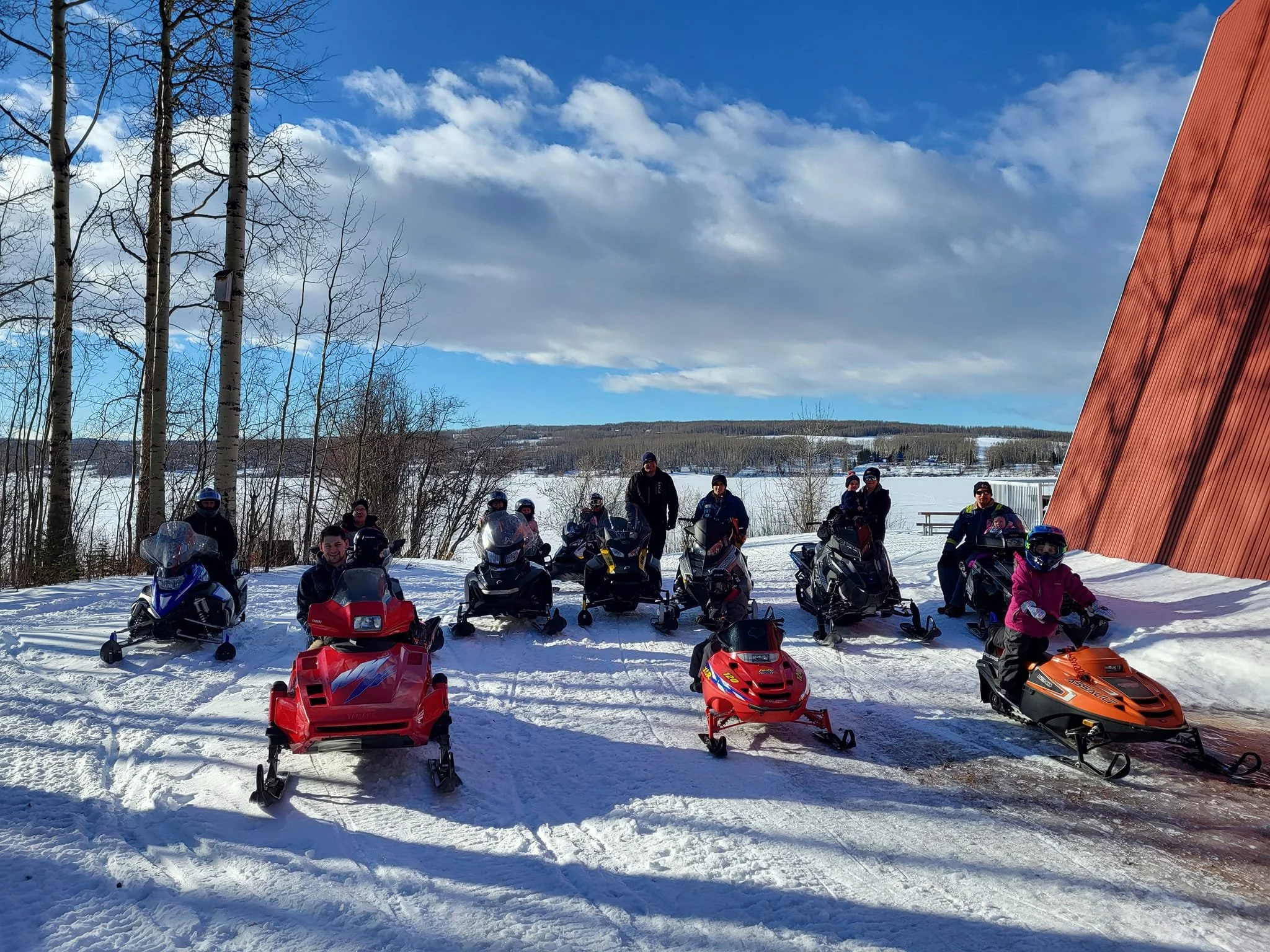
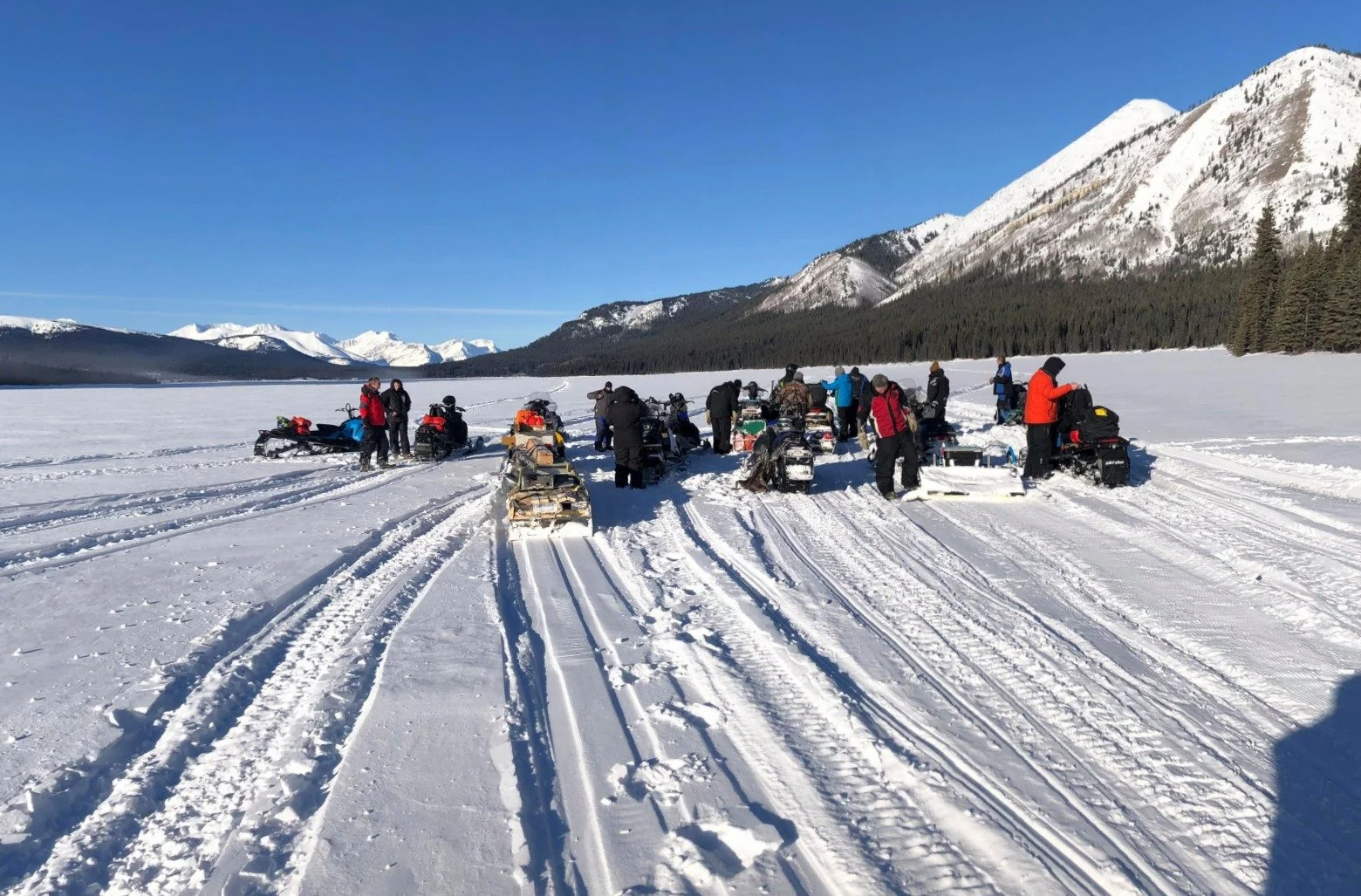
photo: Northland Trail Blazers
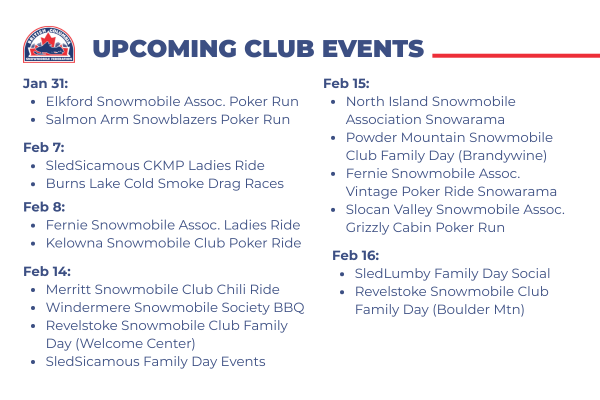
Across the province, clubs are still grooming, adapting routes, hosting events, opening cabins, and keeping people riding. Trails are dialed. Riding is predictable. Days are built around connection, not limits.
That same rhythm applies in the alpine. For big-mountain riders, these in-between weeks are part of the long game — staying connected to zones, watching how snowpack evolves, and being ready when winter shifts again. Higher terrain tends to recover faster, and firmer snowpack can mean efficient climbing and opportunities to explore new zones. Windblown stashes and north-facing aspects often reward riders who know where to look.
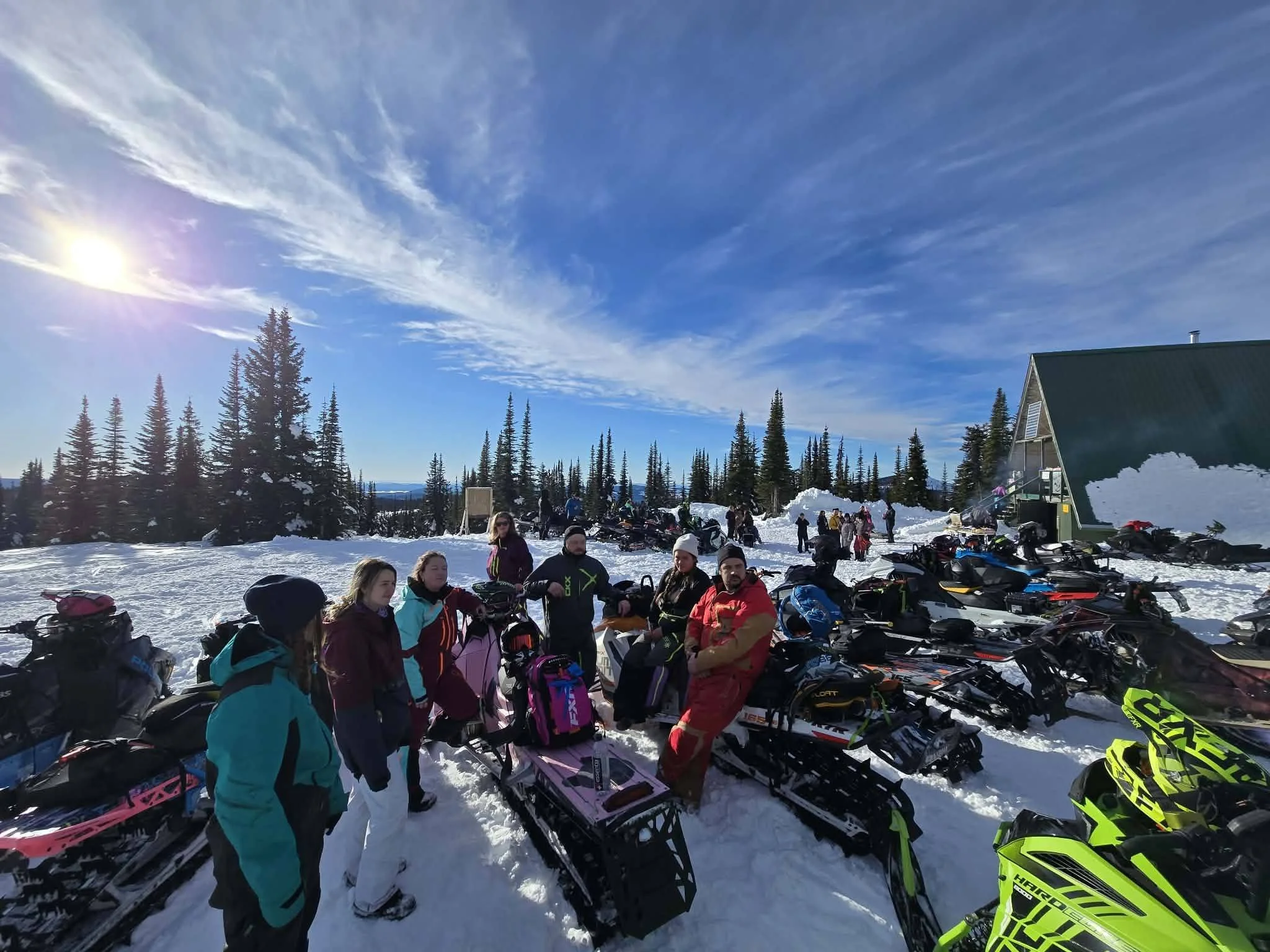
photo: Wells Snowmobile Club
Winter Isn’t Over — It’s unfolding
If you’ve been holding back waiting for the deepest day of the season, consider this your reminder - BC snowmobiling has never been defined by a single kind of day.
The strength of riding in this province has always been its range. From trail days and family rides to alpine lines and everything in between, there’s room for multiple ways to experience winter — before, between, and after the storms.
Powder days will come. But they’re only one part of the story. And there’s still plenty of winter left to enjoy.