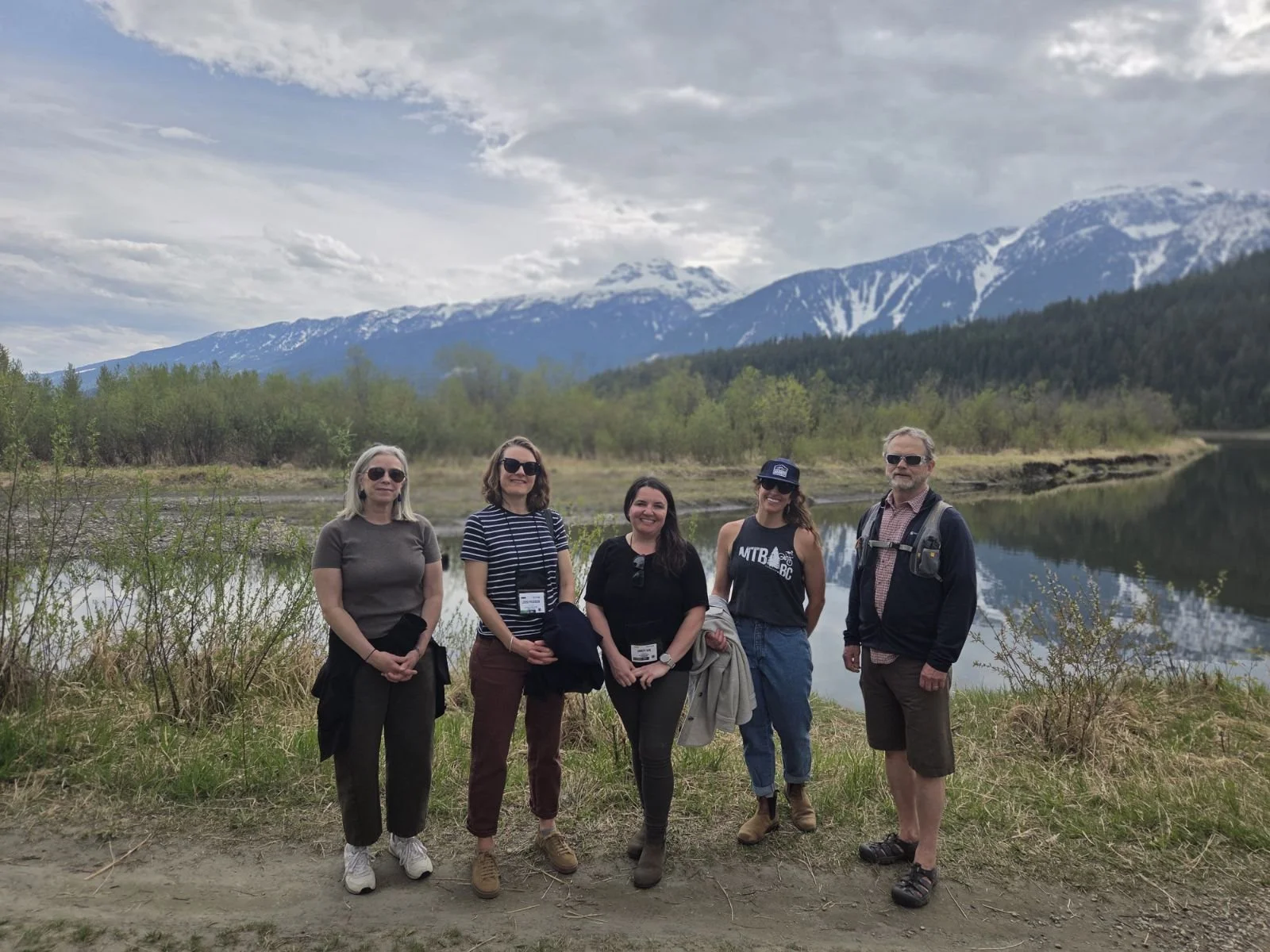
Last week, the BC Snowmobile Federation joined Minister of Water, Land and Resource Stewardship Randene Neill for a working walk and discussion focused on stewardship, recreation access, and the future of land use planning in British Columbia. The session, coordinated with support from the Outdoor Recreation Council of BC, brought together recreation and stewardship perspectives for candid discussion on the opportunities and challenges facing public land management in BC.
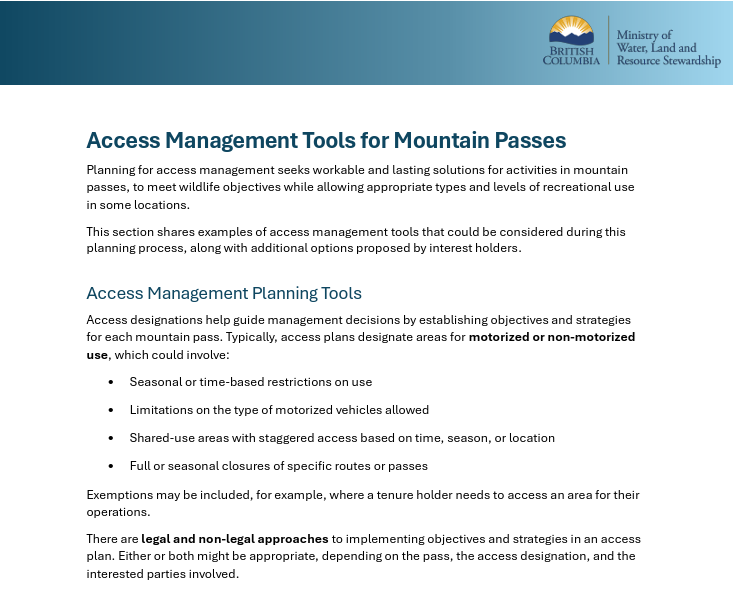
A key topic of discussion was the Province’s Cumulative Effects Management Framework — an initiative intended to reduce habitat fragmentation caused by linear disturbances across the landscape.
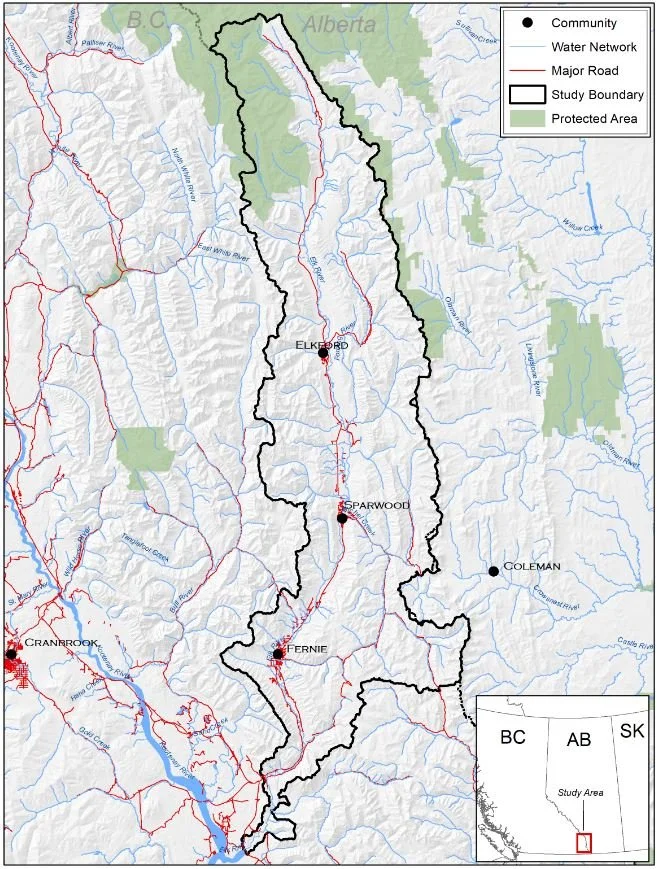
The Elk Valley has become an important early litmus test for how these frameworks may ultimately be applied across BC, having been the site of several cumulative effects pilot projects in recent years. This includes the Mountain Passes Project, which proposed motor vehicle closures affecting 13 mountain passes and trails connecting British Columbia and Alberta.
Snowmobile clubs and recreation organizations invested significant time and resources into participating in the consultation process surrounding the project. However, with the initiative now largely stalled and little clarity around next steps, many clubs have been left uncertain about long-term planning, infrastructure investment, and the future of recreation access in the region.
During the meeting, Minister Neill acknowledged that recreation closures are not the intended goal of the framework, despite consultation summaries reflecting strong feedback from recreation users defending historic access routes and established trails. Clubs also highlighted what many see as a disconnect in the process, where long-standing recreation trails are being reviewed for closure while new industrial roads and disturbances continue to be developed nearby.
The conversation also focused on rebuilding trust between government and recreation groups.
BCSF Executive Director Amber Lane emphasized that snowmobile clubs are not simply recreation users — they are active stewards and caretakers of public land. Volunteer-run clubs across BC invest millions of dollars annually and countless volunteer hours into public recreation infrastructure, trail maintenance, safety programs, stewardship initiatives, and visitor services through a user-pay recreation model.
“This recreation infrastructure, tourism activity, and public benefit exists because snowmobile club volunteers continue to invest in it,” said Lane. “But ongoing uncertainty, consultation fatigue, and complexity within some decision-making processes are beginning to erode the energy and trust that these partnerships depend on.”
The discussion highlighted both challenges and successes in collaborative land management.
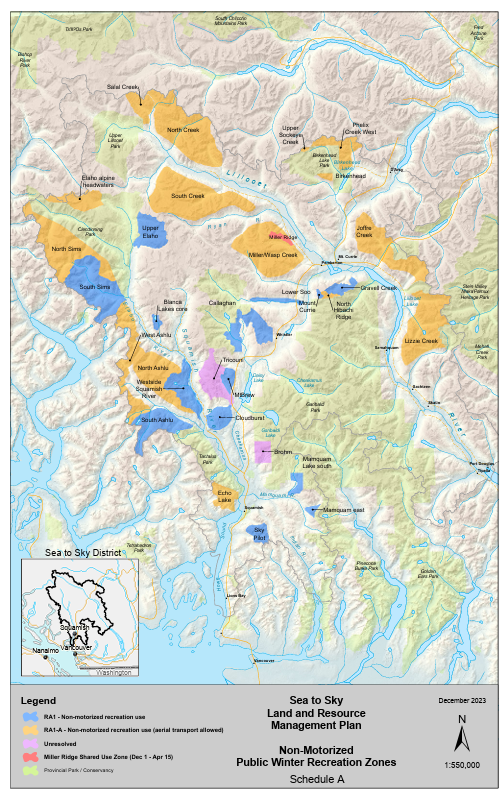
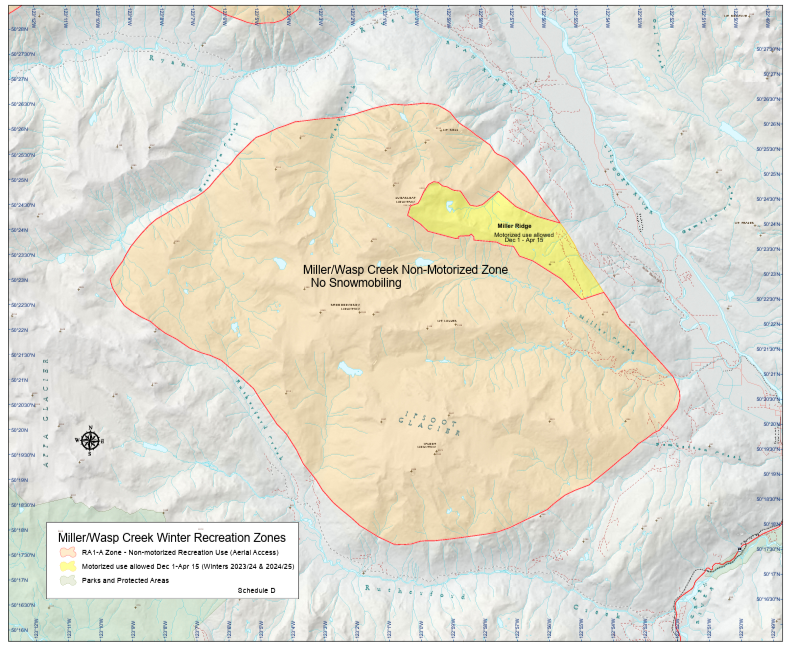
The Miller Bench area in the Sea to Sky region was identified as a strong example of what collaboration can achieve. Following concerns with a Motor Vehicle Closure implemented without consultation in 2010, recreation organizations worked with the government to establish a managed recreation agreement under stewardship conditions. After years of successful operation, that agreement has now become permanent.
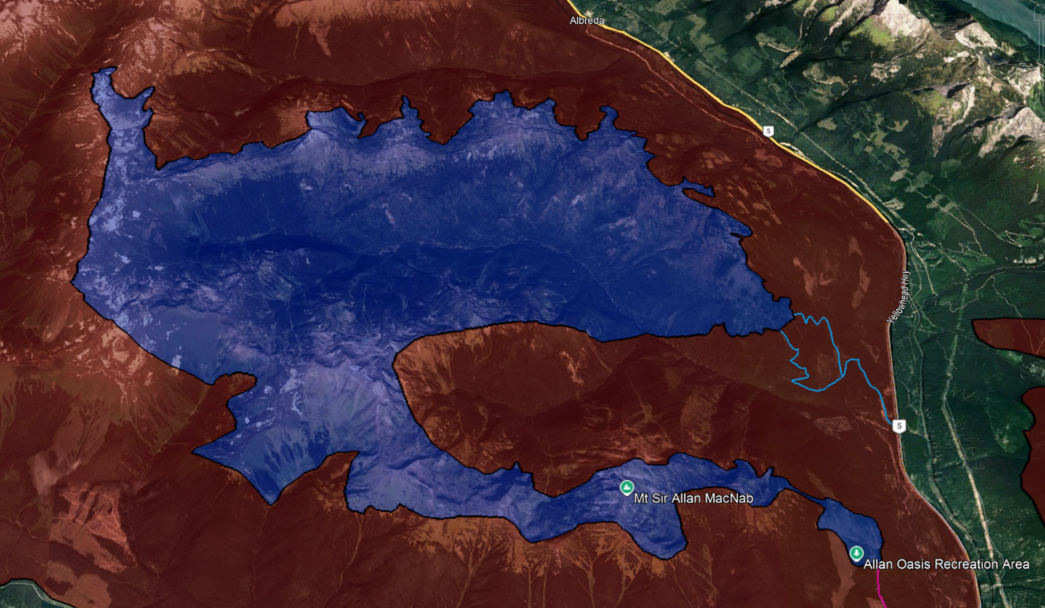
At the same time, the Allan Creek Oasis area near Valemount continues to raise concerns. The Valemount and Area Recreation Development Association has identified that current closure boundaries and management approaches do not align well with practical, on-the-ground realities, resulting in ongoing challenges related to safety, communication, and compliance.
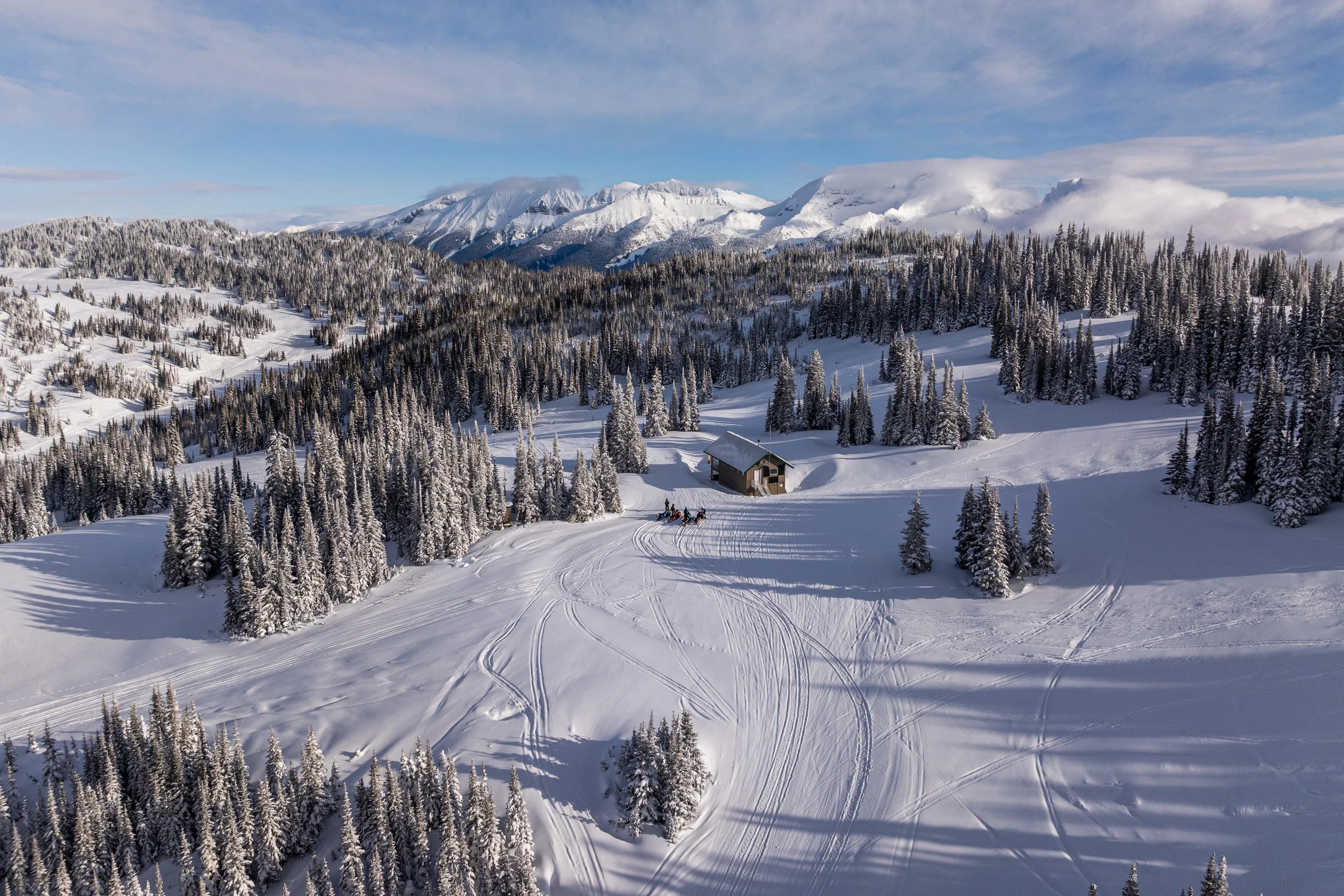
BCSF believes there is an opportunity to apply the same collaborative, adaptive approach demonstrated at Miller Bench to address similar challenges elsewhere in the province.
The meeting reinforced that BC snowmobilers support wildlife recovery, stewardship, and responsible recreation — while also advocating for balanced, practical, and common-sense approaches to land use planning.
The BCSF looks forward to continued conversations with government and partners to help ensure future land management decisions reflect transparency, collaboration, stewardship, and sustainable recreation access.
Support the RideOnBC Land Access Fund
Land use decisions are increasingly shaping the future of snowmobiling access in British Columbia.
The RideOnBC Land Access Fund helps ensure the snowmobiling community has the resources to participate in consultation processes, support stewardship initiatives, and advocate for balanced, practical recreation management across the province.
Help protect the future of responsible snowmobiling access in BC.