
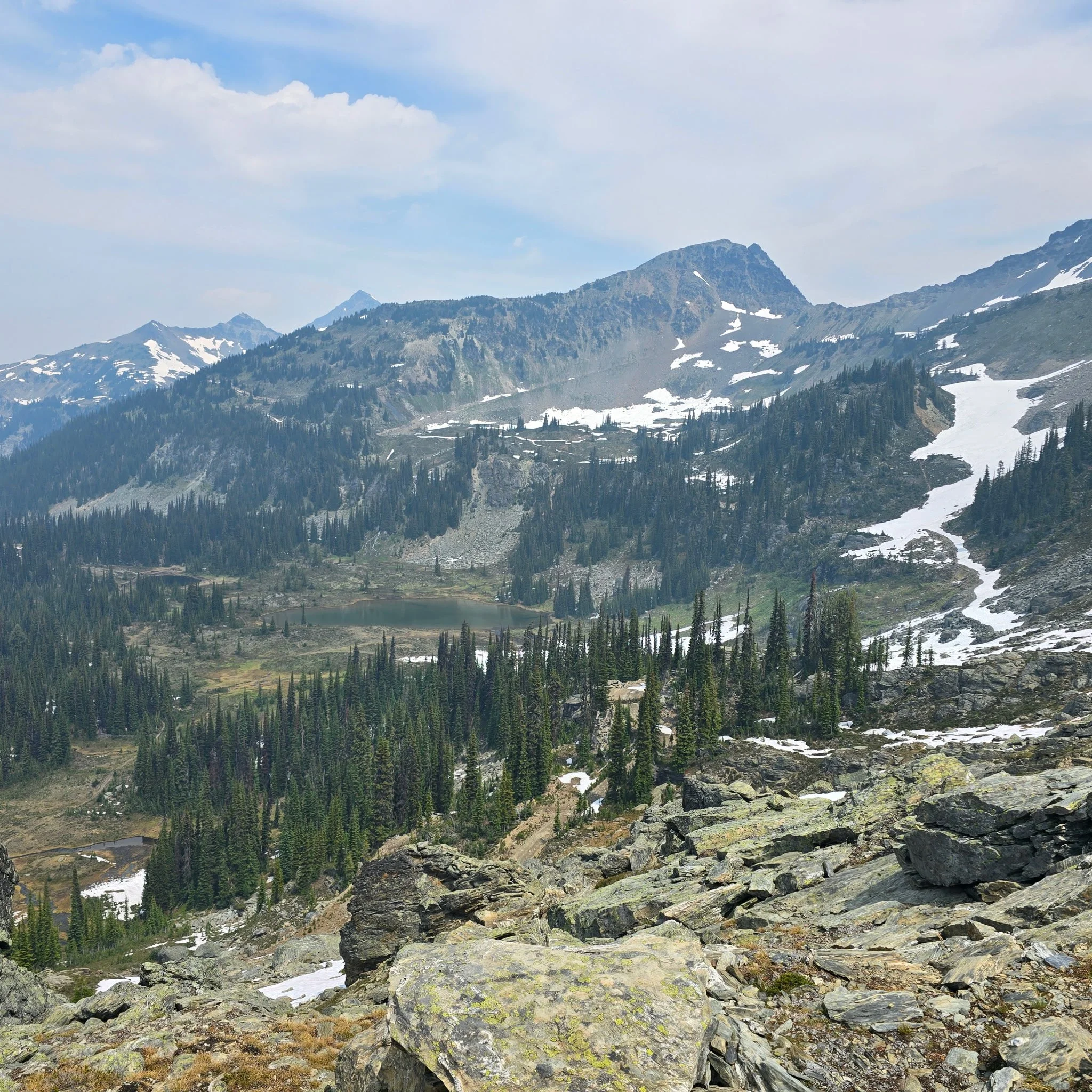
For generations, many of the premier backcountry destinations in British Columbia have been reached using historic resource roads. While these corridors were originally constructed for forestry, mining, or other industrial purposes, they have evolved over time into the backbone of the public recreation network. Rural communities, recreation clubs, residents, and visitors rely on this infrastructure for economic stability and lifestyle continuity.
Rady Creek Road near Trout Lake is a prime example of this co evolution.
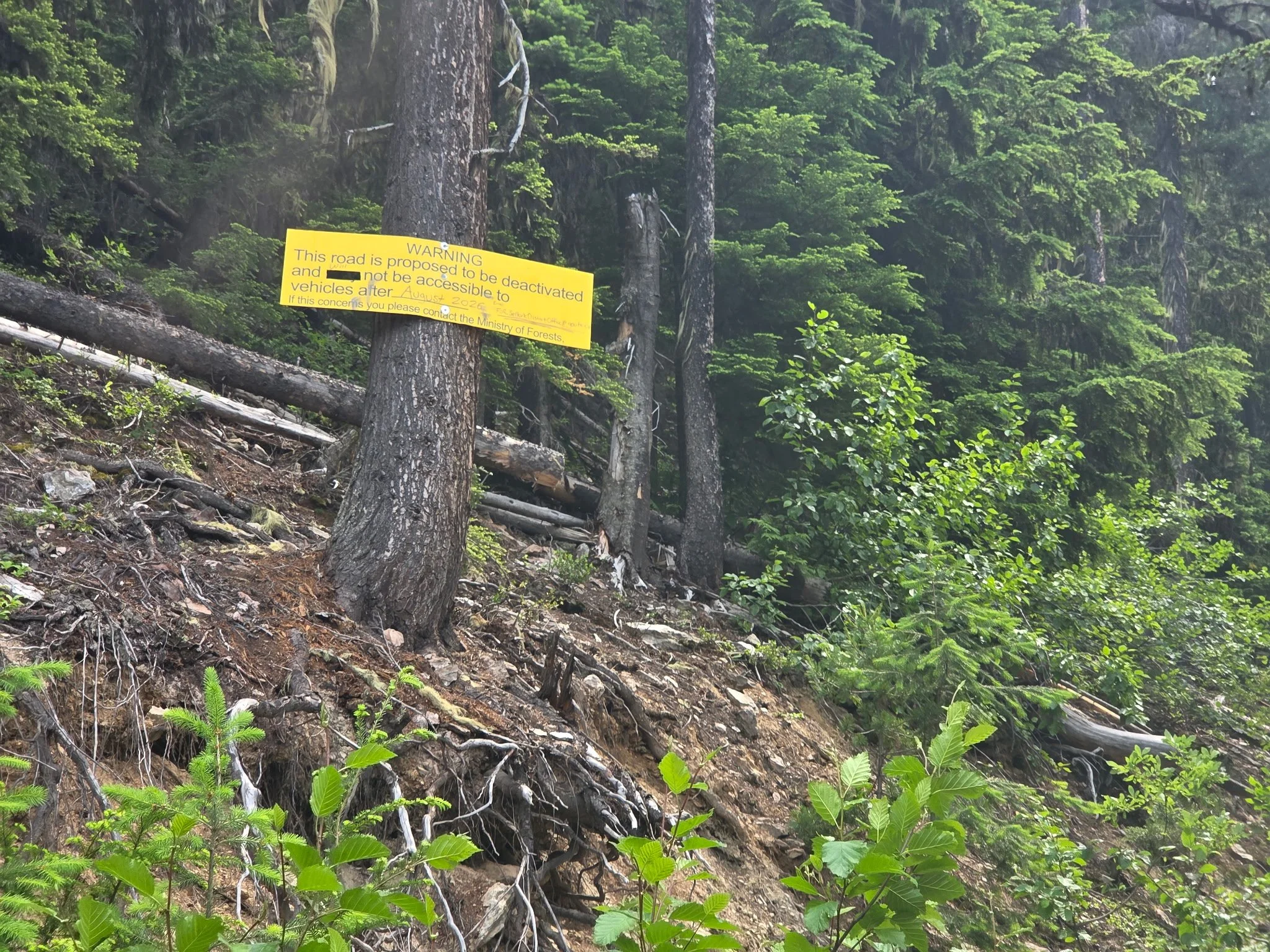
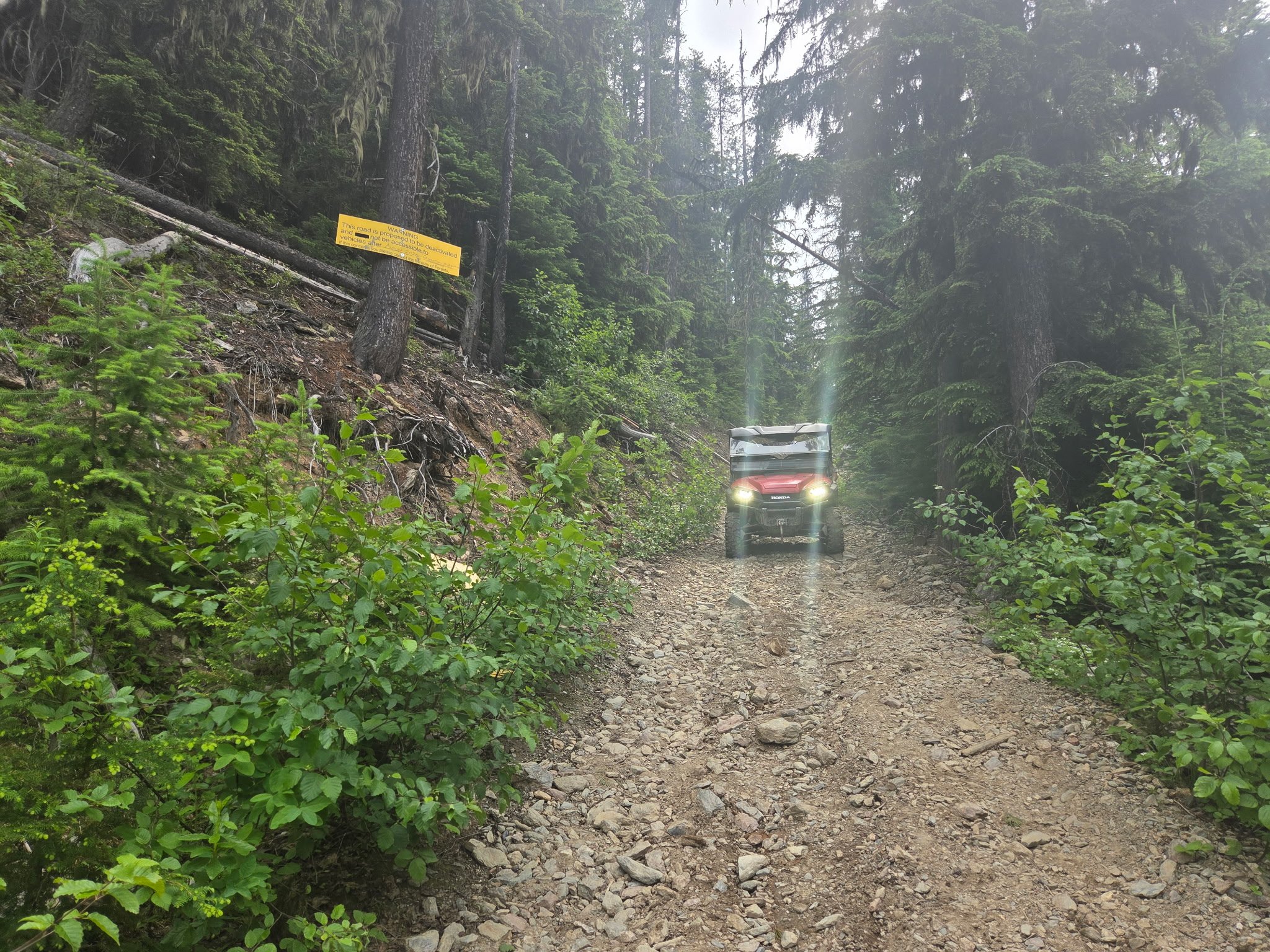
With physical deactivation scheduled for August 2026, the British Columbia Snowmobile Federation is actively managing a rapidly disappearing timeline. On July 6 2026, BCSF escalated this file directly to Minister of Forests Ravi Parmar to demand an immediate administrative pause. To reinforce our positioning, BCSF was on site at the Rady Creek corridor on July 8 2026 to evaluate the route firsthand.
Broad Sector Representation and Economic Realities
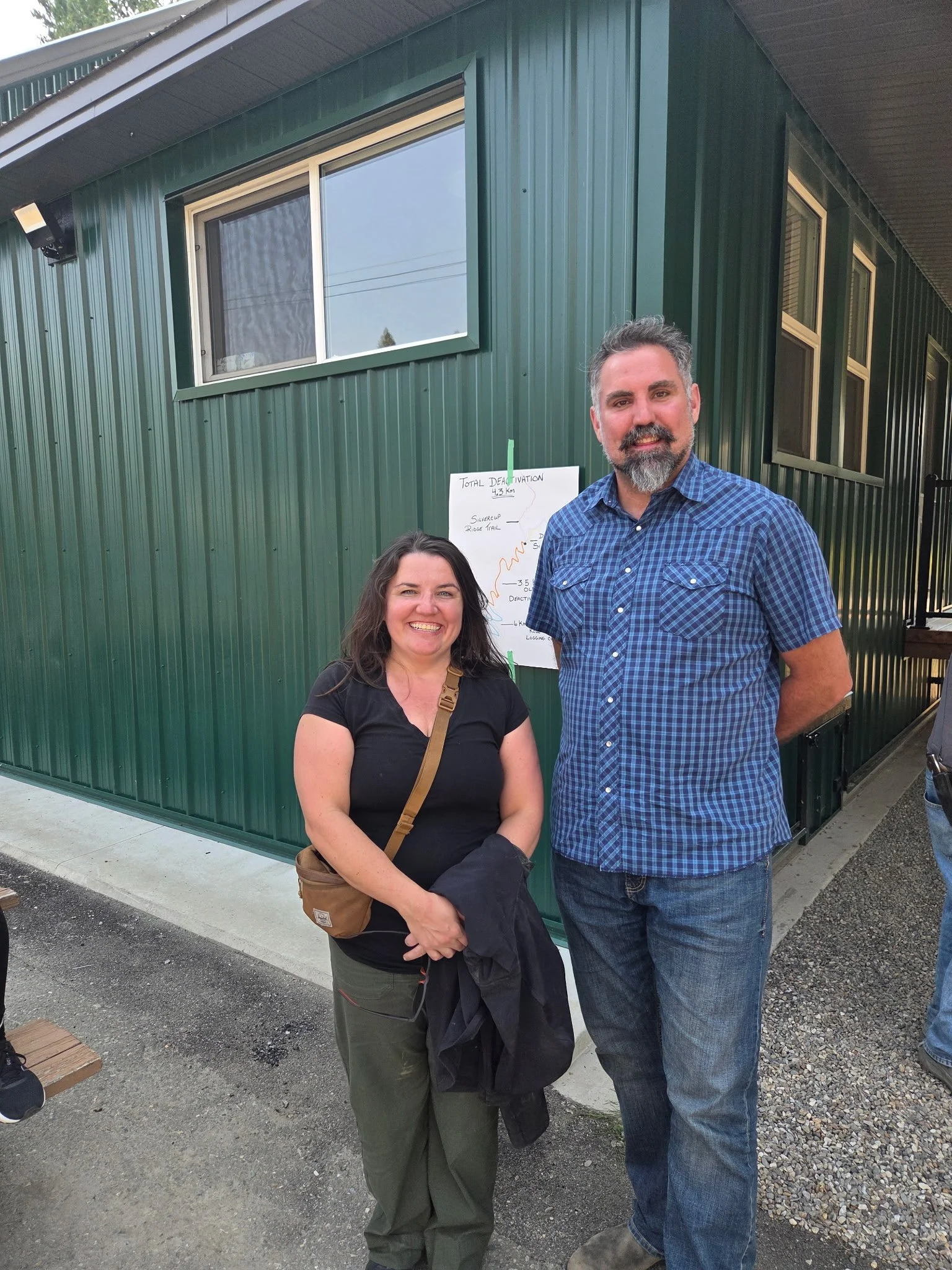
The onsite assembly brought together a powerful coalition of land use partners, including leadership from ATVBC, the Public Land Use Society, the Association for Mineral Exploration, and local stakeholders. MLA Scott McInnis joined the delegation later in the day to hear access concerns directly from the users on the ground.
The exceptional breadth of this representation matters immensely. It proves that Rady Creek is not an isolated snowmobile issue. It is a vital multi use public access corridor with profound implications for motorized and non motorized recreation, subsurface mineral exploration, rural tourism diversification, and local community stewardship.
More Than Just an Old Resource Road
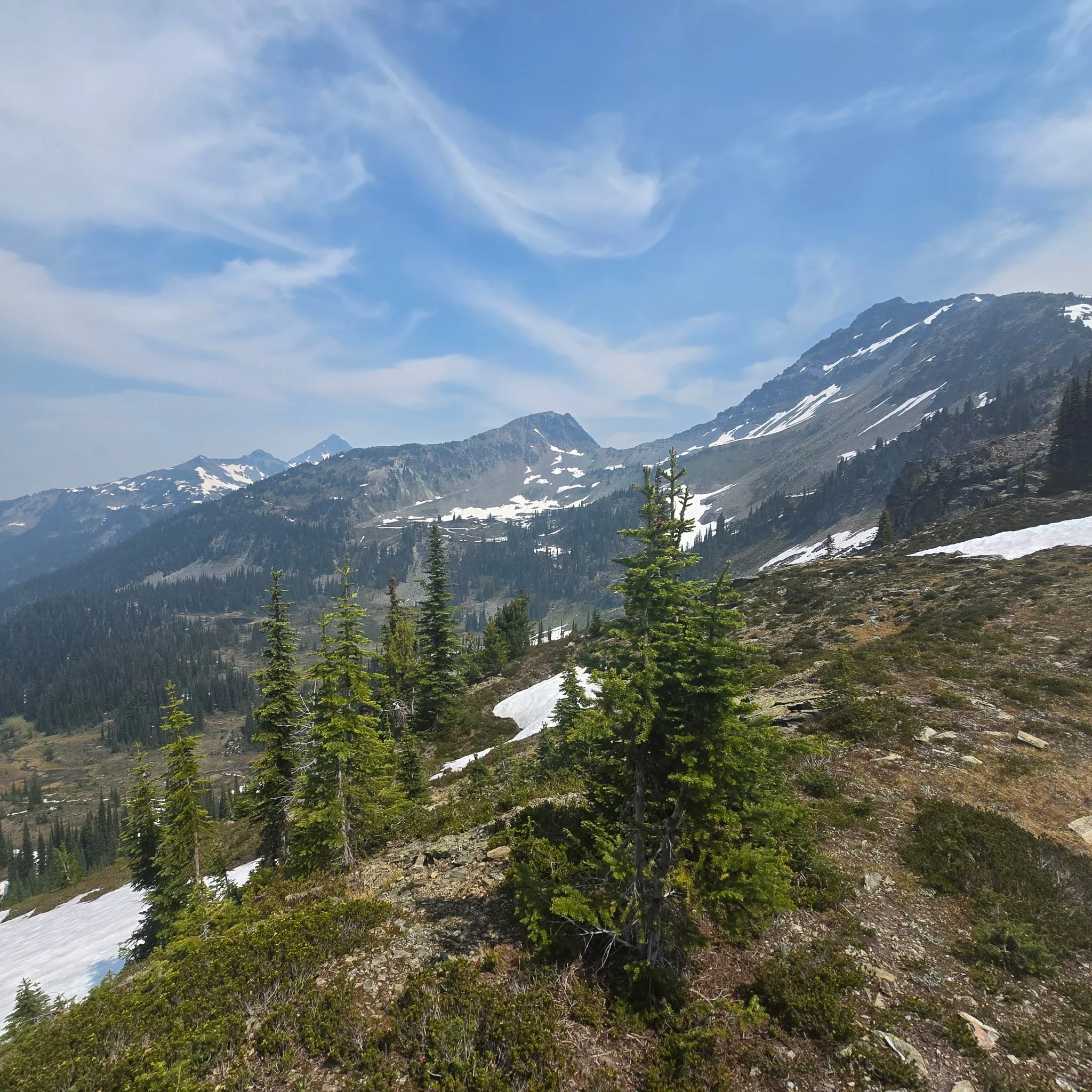
The historic town of Trout Lake was established in the late 1800s, and its surrounding access corridors were developed shortly thereafter. Rady Creek Road is a foundational pillar of this heritage, reaching some of the oldest active mineral claims in the province while supporting year round public access to Silver Cup Ridge.
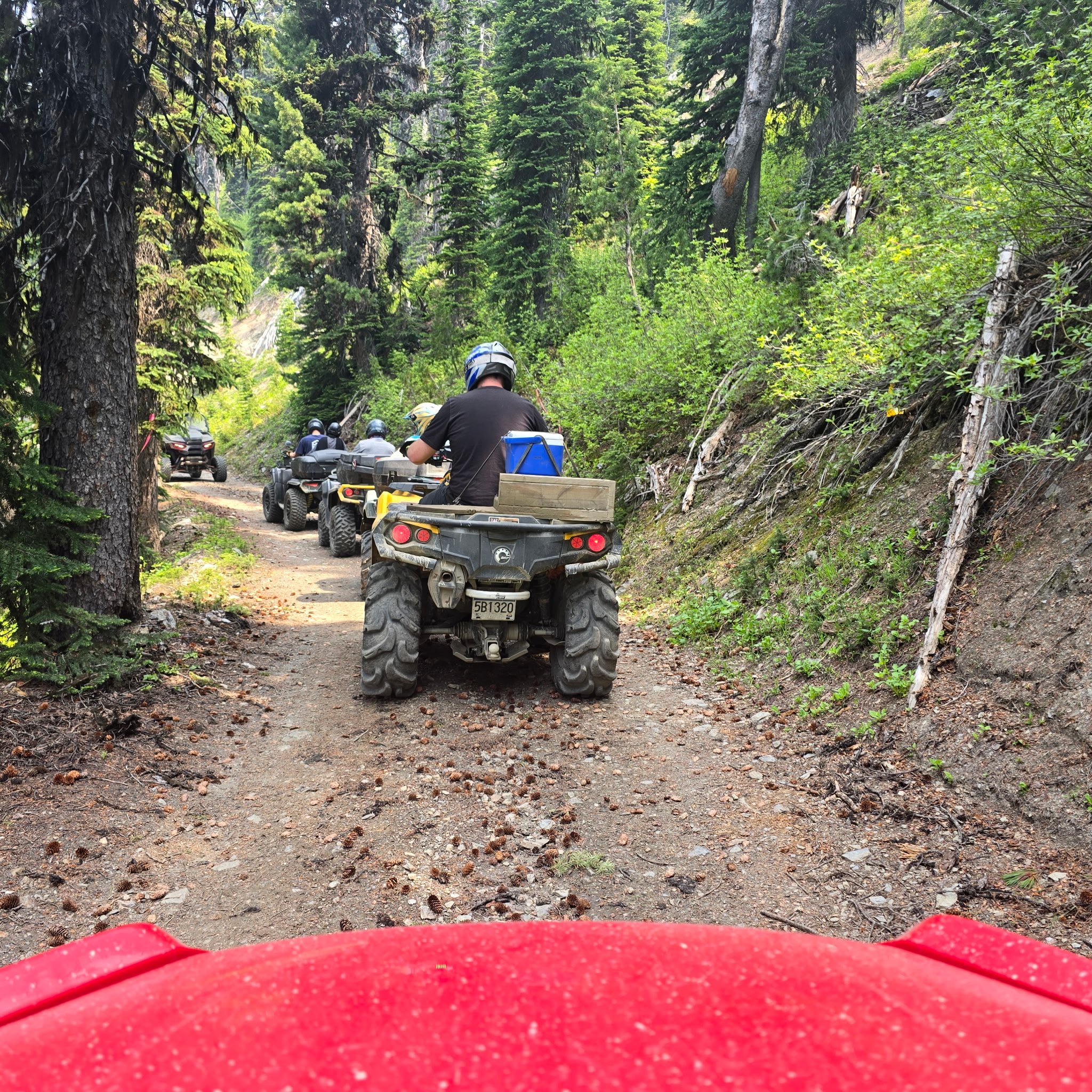
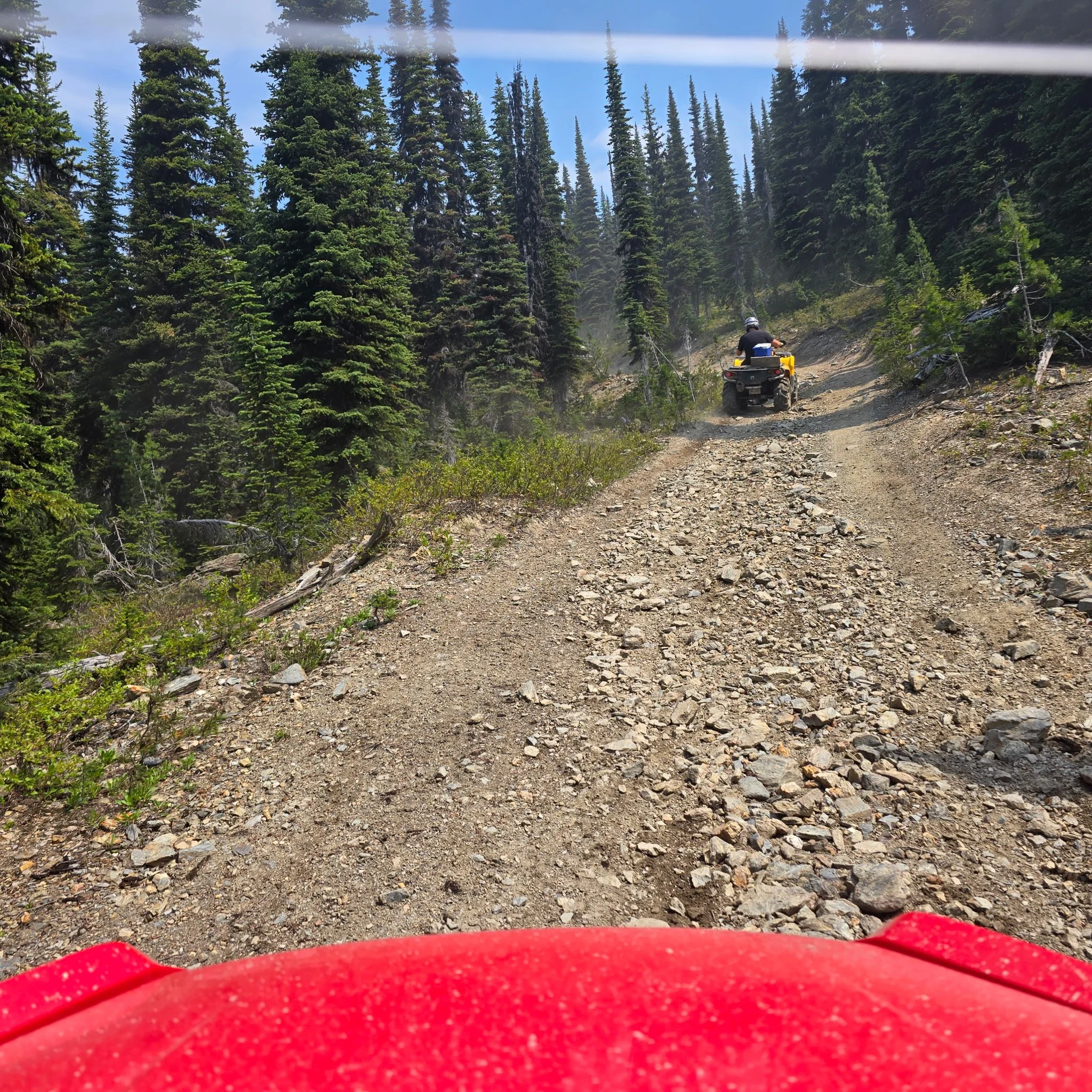
During the summer months, the corridor functions as a vibrant multi use asset utilized by off road motorcycles, ATVs, mountain bikers, hikers, and horseback riders. In the winter, it serves as the primary, safe access route to the well known local riding area called Foggy Day. While alternative geographic access points technically exist, the surrounding terrain is extreme and treacherous. Forcing winter recreationists to utilize those alternative routes introduces unacceptable safety hazards, making the preservation of the Rady Creek footprint a matter of basic public safety.
The local Trout Lake Recreational Club has proactively stepped up to protect this asset by submitting a formal partnership agreement application under the Ministry of Environment and Parks. Under this framework, the club would collaborate with the province to assume liability and establish a sustainable insurance structure to manage the corridor. Unbelievably, the province informed the club that the Ministry of Forests must first proceed with its deactivation contract to return the land to its original slope before any local stewardship can be authorized. This bureaucratic requirement would force local volunteers to raise immense private capital to completely rebuild access from scratch over the exact same footprint later.
Exposing the Systemic Policy Gap
The administrative deadlock at Rady Creek highlights a severe, province wide policy gap that threatens rural communities across British Columbia. Currently, the Ministry of Forests possesses no mechanism to seamlessly transition an inactive Forest Service Road footprint directly into a designated public recreation trail under the jurisdiction of Recreation Sites and Trails BC.
Because this transitional pathway does not exist, the provincial response to ending industrial use is a complete structural pullback. This practice represents a blatant misuse of public capital. The province is on track to expend tax dollars to actively destroy a viable public asset, fully aware that community groups will immediately be forced to secure separate resources to attempt to re-establish basic trail access over the exact same footprint to maintain connection to the Silvercup Ridge Trail network.
A Test Case for the BC Outdoor Recreation Strategy
The province's own Outdoor Recreation Strategy explicitly recognizes that outdoor recreation access in British Columbia has co evolved with the forest industry through the resource road network. The text openly acknowledges that as forest companies reduce operations and road maintenance, rural communities risk losing valuable recreation access and the economic benefits connected to backcountry tourism.
Furthermore, the strategy identifies an urgent need for a modernized framework for high value recreation access, including coordinated planning and securing key access routes for long term public land use.
Rady Creek is the ultimate real world test of whether that provincial strategy will change decisions on the ground. It is easy to champion outdoor recreation values in a legislative strategy document. It is far more difficult, but far more important, to ensure those values are actively considered before an excavator physically removes public access. If the province is serious about supporting the outdoor recreation sector, then high value recreation corridors must be protected before they are permanently lost.
Presenting the Easy Button Solution
BCSF operates as a solutions oriented partner. We are not merely demanding a halt; we have handed the provincial government a clear administrative pathway to resolve this conflict without operational delay:
An Immediate Contract Pause: The province must halt physical pullback operations to allow a formal cross ministry transition review involving the Ministry of Forests, the Ministry of Environment and Parks, local representatives, and BCSF.
Interim Asset Protection: We support the legislative request made by MLA Scott McInnis to utilize a temporary Wilderness Status road designation to legally stabilize the corridor asset while a permanent trail transfer framework is built between the ministries.
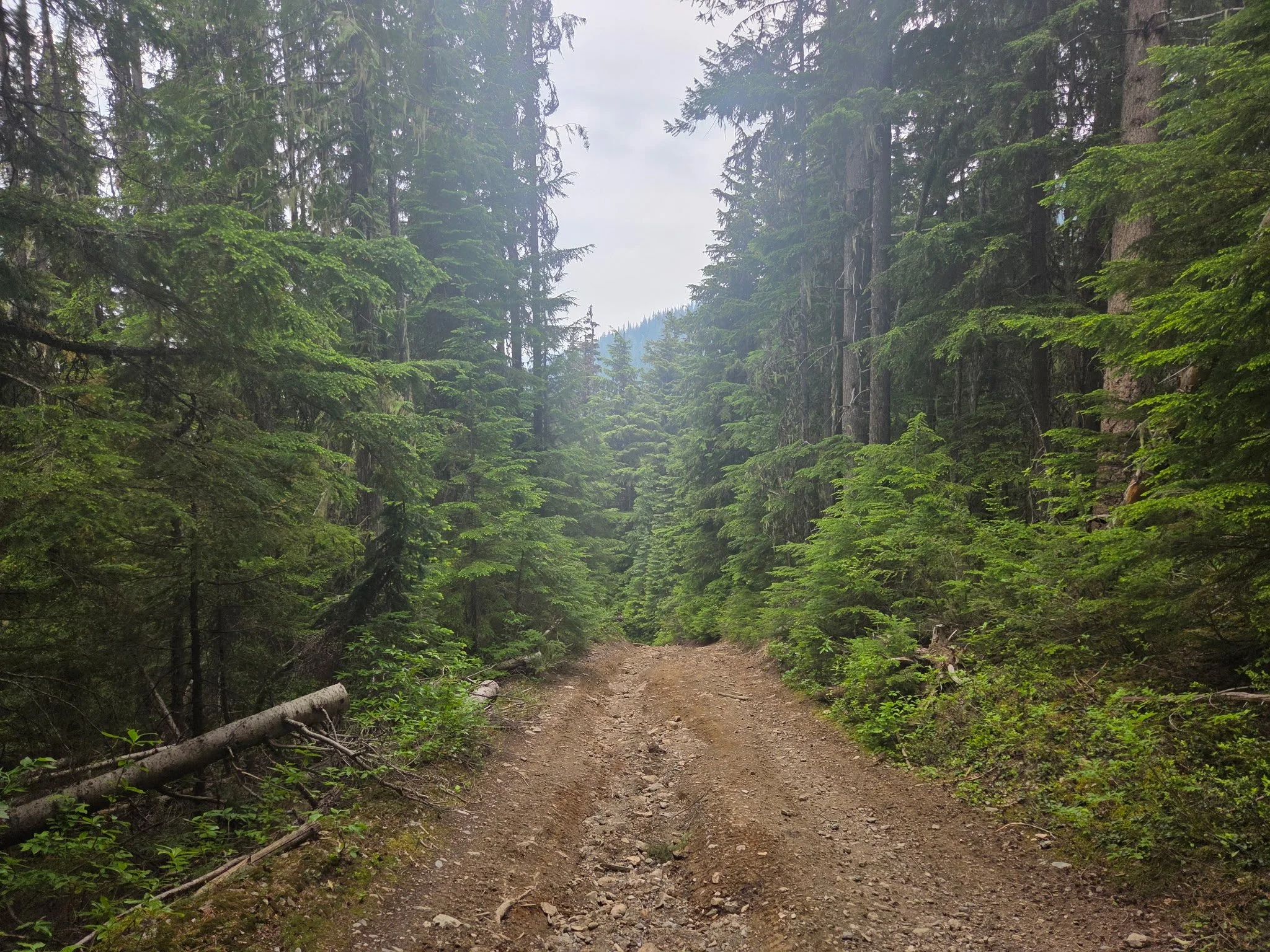
A Low Risk Pilot Project: Because this specific corridor contains no active bridges or large culverts, it represents the perfect low risk footprint for the province to design its standardized transition tool.
Independent Data Contribution: To prove our collaborative intent, BCSF and the local club have offered to fund an independent geotechnical report to support the asset transition, removing the financial and administrative burden from the provincial government.
What Needs to Change
Rady Creek is a single corridor, but the underlying issue impacts the entire province. Across British Columbia, resource roads are aging, industrial use is shifting, and public recreation demand is growing exponentially. Without a clear, standardized transition process, rural communities will continue to lose access one road at a time. That is not a strategy. That is the slow erosion of public access.
BCSF believes the province needs a practical pathway for assessing high value recreation corridors before deactivation decisions are finalized. That pathway must evaluate recreation value, local stewardship capacity, public safety, environmental risk, liability, and long term management options. Where a road has no demonstrated recreation value, deactivation may be the correct operational decision. But where a road possesses clear recreation value, the province should not remove public access before the public interest has been properly assessed.
What You Can Do
BCSF is asking the Province to pause deactivation at Rady Creek and work with the recreation community on a formal transition review before public access is permanently lost.
If this issue matters to your riding, your community, or your access to public land, please consider sending a respectful message to provincial decision-makers.
Ask the Province to pause any irreversible deactivation work, bring the Ministry of Forests, the Ministry of Environment and Parks, Recreation Sites and Trails BC, local representatives, and recreation partners to the table, and assess whether Rady Creek can be transitioned into a managed recreation access route before public access is removed.
Please direct your message to:
Hon. Ravi Parmar
Minister of Forests
FOR.Minister@gov.bc.ca
Hon. Tamara Davidson
Minister of Environment and Parks
ENV.Minister@gov.bc.ca
Consider thanking MLA McInnis for his leadership on this project thus far.
Scott McInnis
MLA for Columbia River-Revelstoke
Scott.McInnis.MLA@leg.bc.ca
You may also wish to copy:
Selkirk Natural Resource District
FOR.SelkirkDistrictOffice@gov.bc.ca
If you have direct local knowledge of Rady Creek, including current recreation use, historic access, safety concerns, access to Silver Cup Ridge, winter access to Foggy Day, or the importance of the corridor to local businesses and community members, please include that in your message. Specific local information is helpful.
This is not about keeping every inactive road open indefinitely. It is about making sure public recreation access is not treated as disposable simply because it began as industrial infrastructure.
Rady Creek is our chance to get this right.
A big thank you to ATVBC, Trout Lake Recreational Club and the Public Land Use Society for putting this event together.