From provincial advocacy and conservation discussions to safety programs, stewardship initiatives, tourism development, and club support, here's a look at what the BCSF has been working on this spring and summer.
While the snow may be gone for the season, the work of the BC Snowmobile Federation is far from over.
Over the past several weeks, the BCSF has been actively engaged in government conversations, recreation planning, research presentations, conservation discussions, national industry meetings, and provincial budget advocacy. At the same time, our team has been developing new educational resources, stewardship initiatives, safety programs, and club support tools that will help shape the 2026/27 season.
These conversations and projects may not always happen on the trail, but they directly impact the future of our riding areas, trail networks, clubs, volunteers, and rural communities.
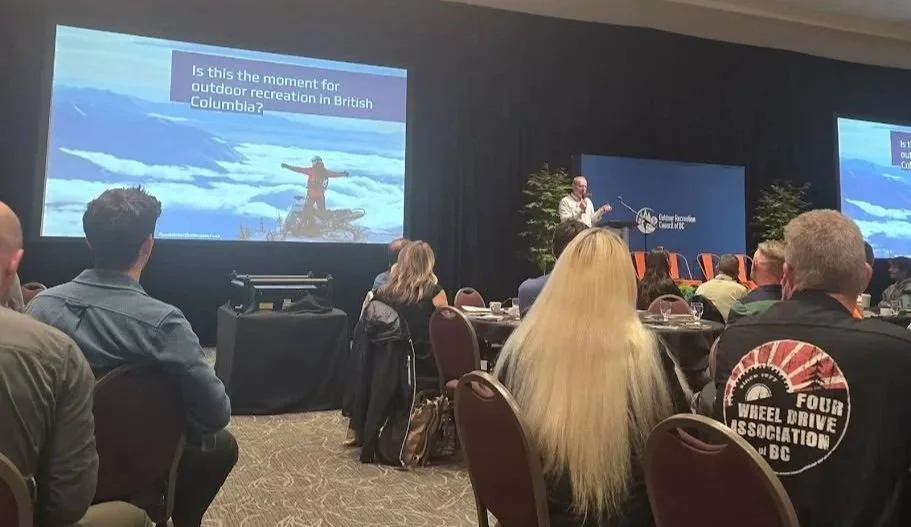
photo: Snowmobiling has an important place in British Columbia's outdoor recreation landscape. This image by BC rider and photographer Allan Sawchuk was featured during a presentation by John Hawkings, Executive Lead, Recreation Strategy and Service Transformation, at the Outdoor Recreation Conference.
Positioning Snowmobiling Within the Bigger Picture
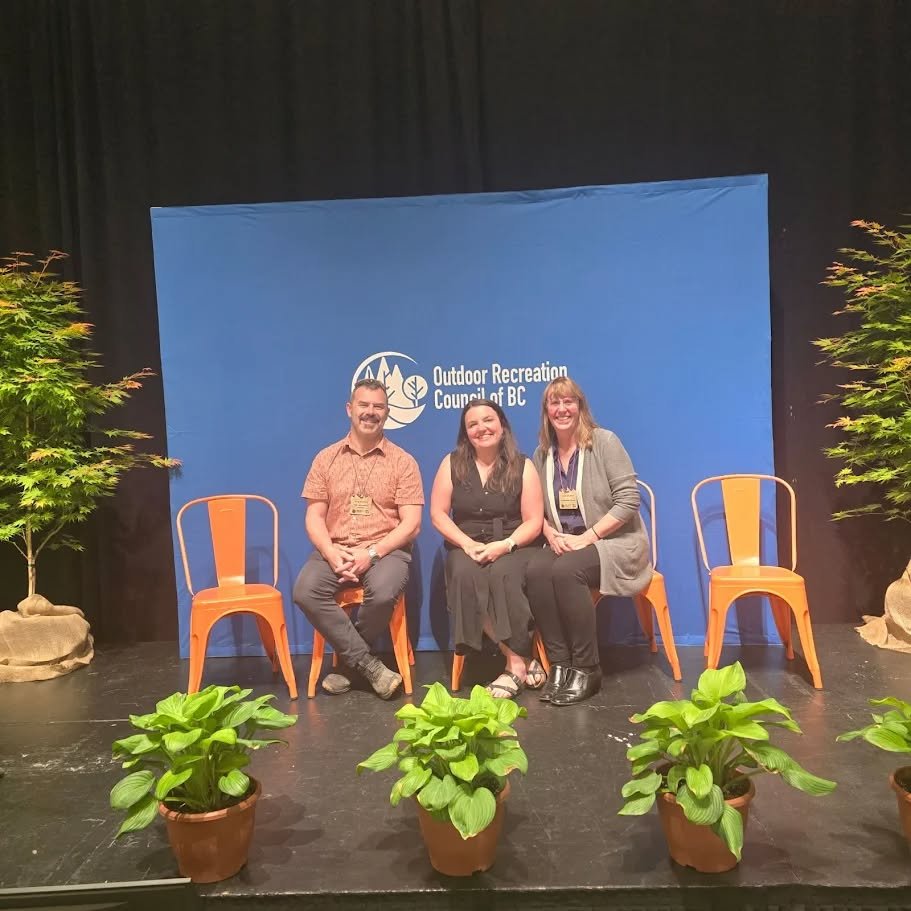
This spring, the BCSF attended the Outdoor Recreation Conference, where we had the opportunity to connect directly with provincial leaders, including Honourable Tamara Davidson, Minister of Environment and Parks, and John Hawkings, Executive Lead, Recreation Strategy and Service Transformation.
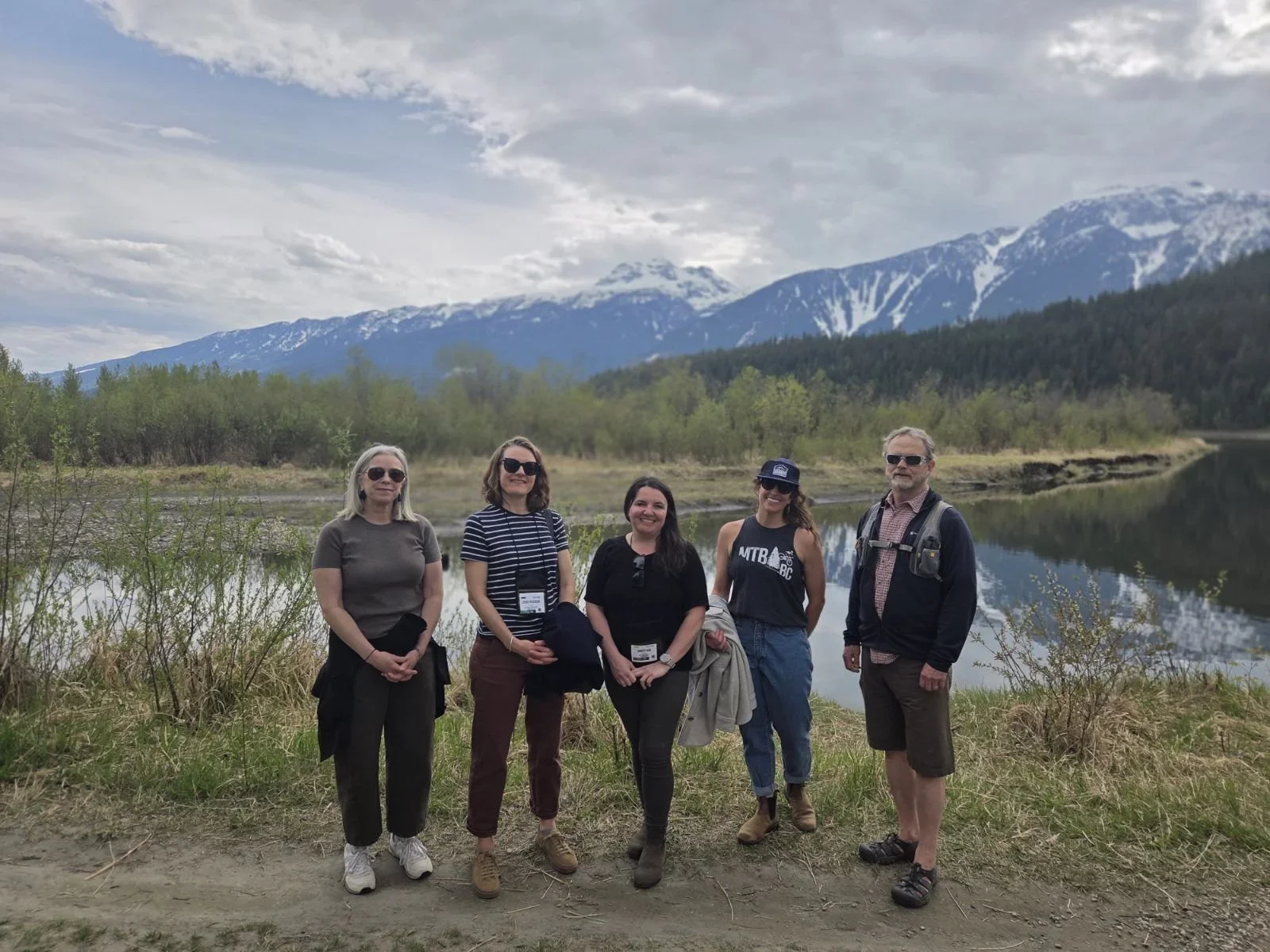
As the provincial voice for organized snowmobiling, the BCSF works alongside organizations such as the Outdoor Recreation Council of BC, other recreation sectors, government agencies, First Nations, tourism partners, and conservation organizations to ensure snowmobilers are represented in conversations that shape the future of outdoor recreation in British Columbia.
Our role is to bring together the perspectives of member clubs and riders from across the province and elevate those voices at provincial decision-making tables. Whether discussions involve recreation access, stewardship, infrastructure, funding, safety, or policy, a unified sector voice helps ensure snowmobiling is understood, respected, and effectively represented.
A major focus of our conversations was the future of high-value Forest Service Roads and how some of these access routes could be recognized as recreation assets when their industrial use changes. We also discussed conservation models, cumulative effects, and where motorized recreation fits within broader land-use planning.
Many of these conversations are taking place as British Columbia begins implementing its new provincial recreation strategy, Look West. The BCSF continues to advocate for practical solutions that recognize the importance of recreation infrastructure, volunteer organizations, and sustainable access to the landscapes British Columbians value.
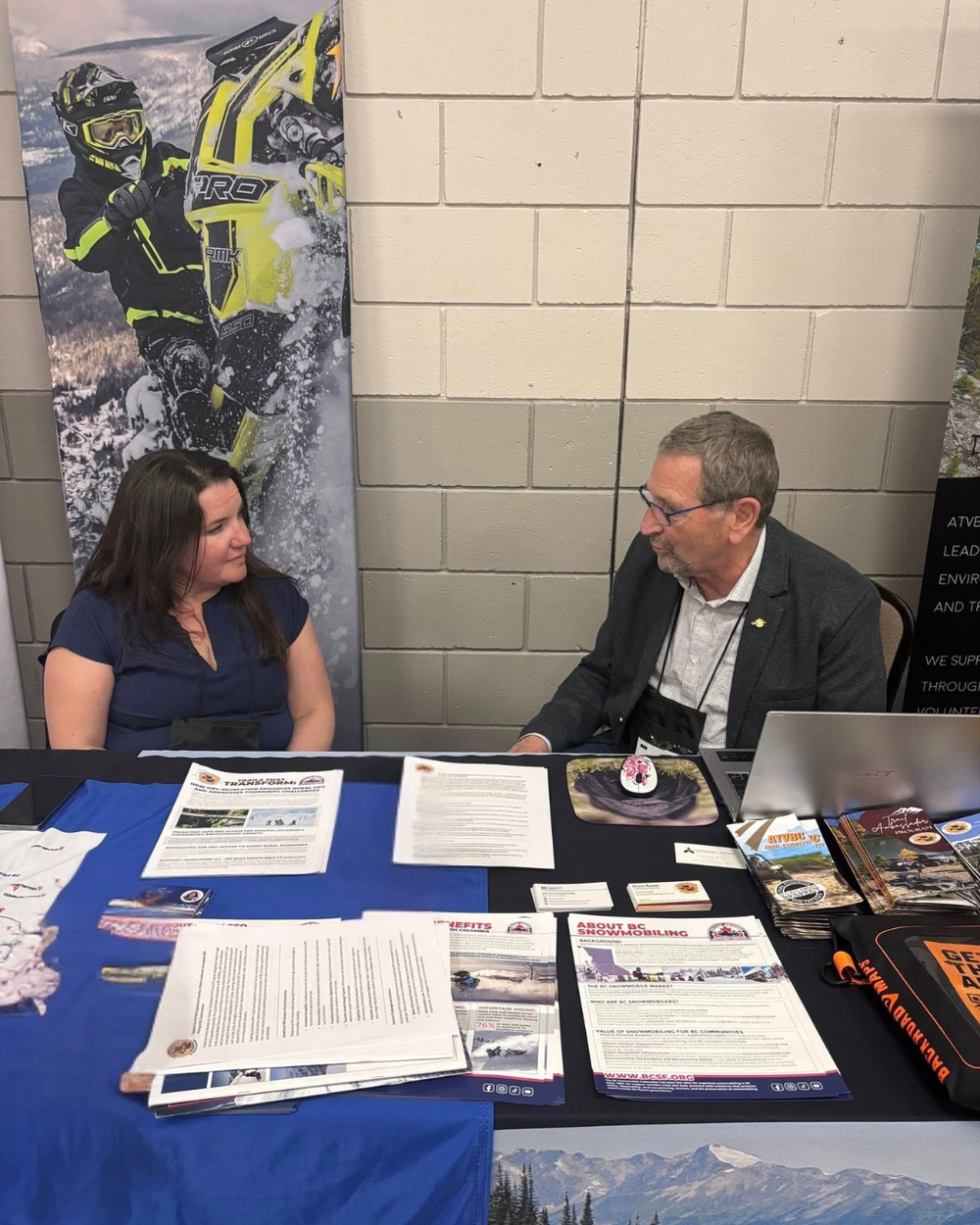
Demonstrating the Value of Organized Snowmobiling
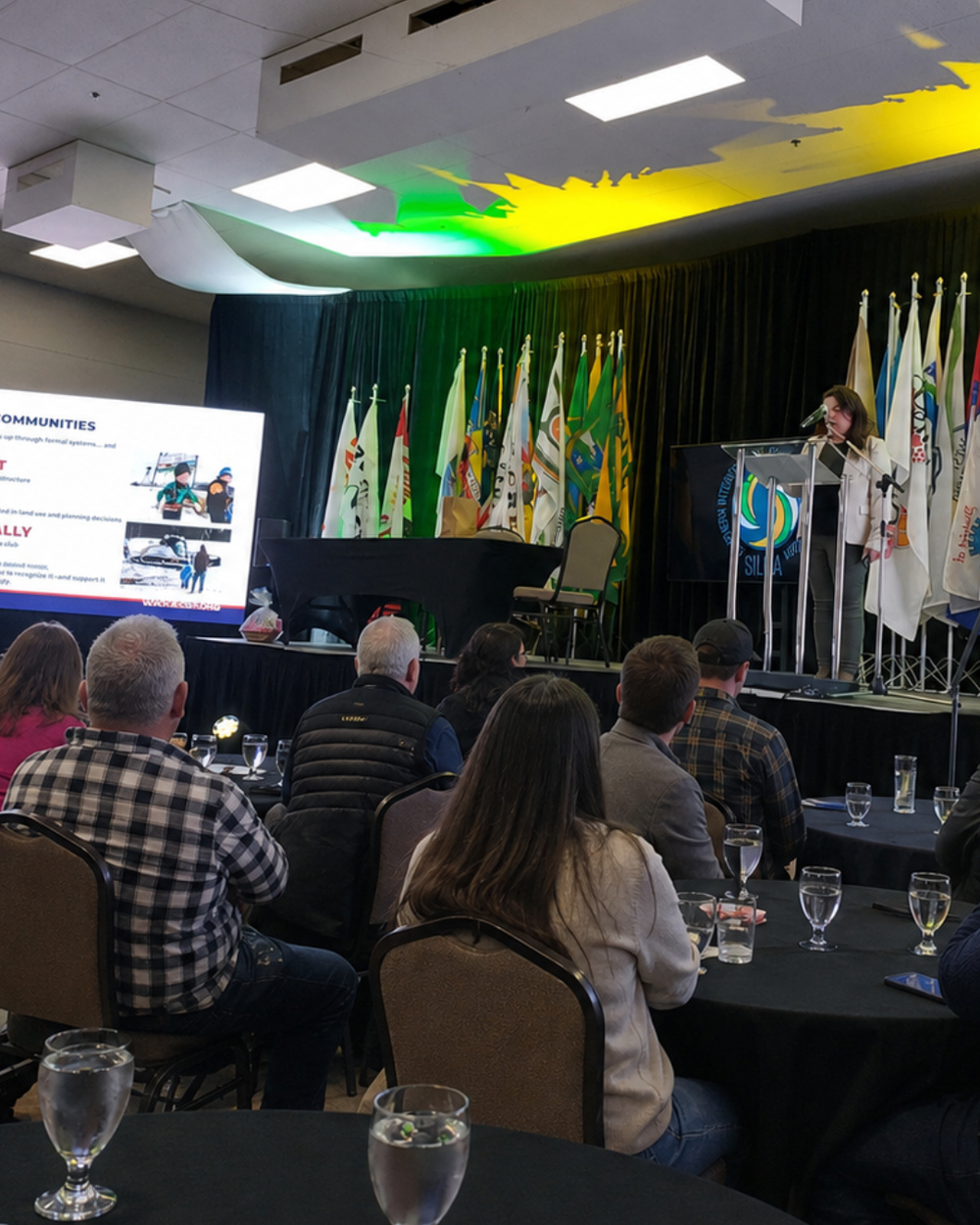
The BCSF also presented on our ongoing Socio-Economic Impact Study, which is helping tell the story of snowmobiling in a much more complete way.
We already know that snowmobiling generates an estimated $299.2 million in annual economic output across British Columbia. This research is helping demonstrate the broader value of organized snowmobiling, including volunteerism, community connection, mental health, safety, stewardship, tourism, and rural economic development.
The study is also helping show how snowmobile clubs serve as important community partners. Across British Columbia, clubs maintain trails, shelters, staging areas, bridges, signage, and recreation infrastructure while educating riders, stewarding access, and supporting local communities.
This summer, the study expanded to include direct rider participation, and we look forward to gathering additional data that will help strengthen the final outcomes and recommendations.
At the International Snowmobile Congress in Omaha, Nebraska, the project was recognized as a leading initiative within the snowmobile industry and one of the first studies of its kind to examine the broader social, community, and economic impacts of organized snowmobiling.
Listening, Learning, and Building Relationships
The BCSF also travelled to Arrow Lakes for a meeting with the Arrow Lakes Caribou Society.
Caribou recovery remains one of the most important and complex issues facing snowmobiling in British Columbia. It affects recreation access, land-use planning, habitat recovery, and relationships between communities, government, First Nations, conservation organizations, and recreation users.
Our role in these conversations is to listen, engage respectfully, and look for opportunities to build understanding and collaboration. These discussions are not always simple, but they are necessary. Snowmobilers care deeply about the landscapes we ride in, and we believe durable solutions are built through engagement, education, and ongoing dialogue.
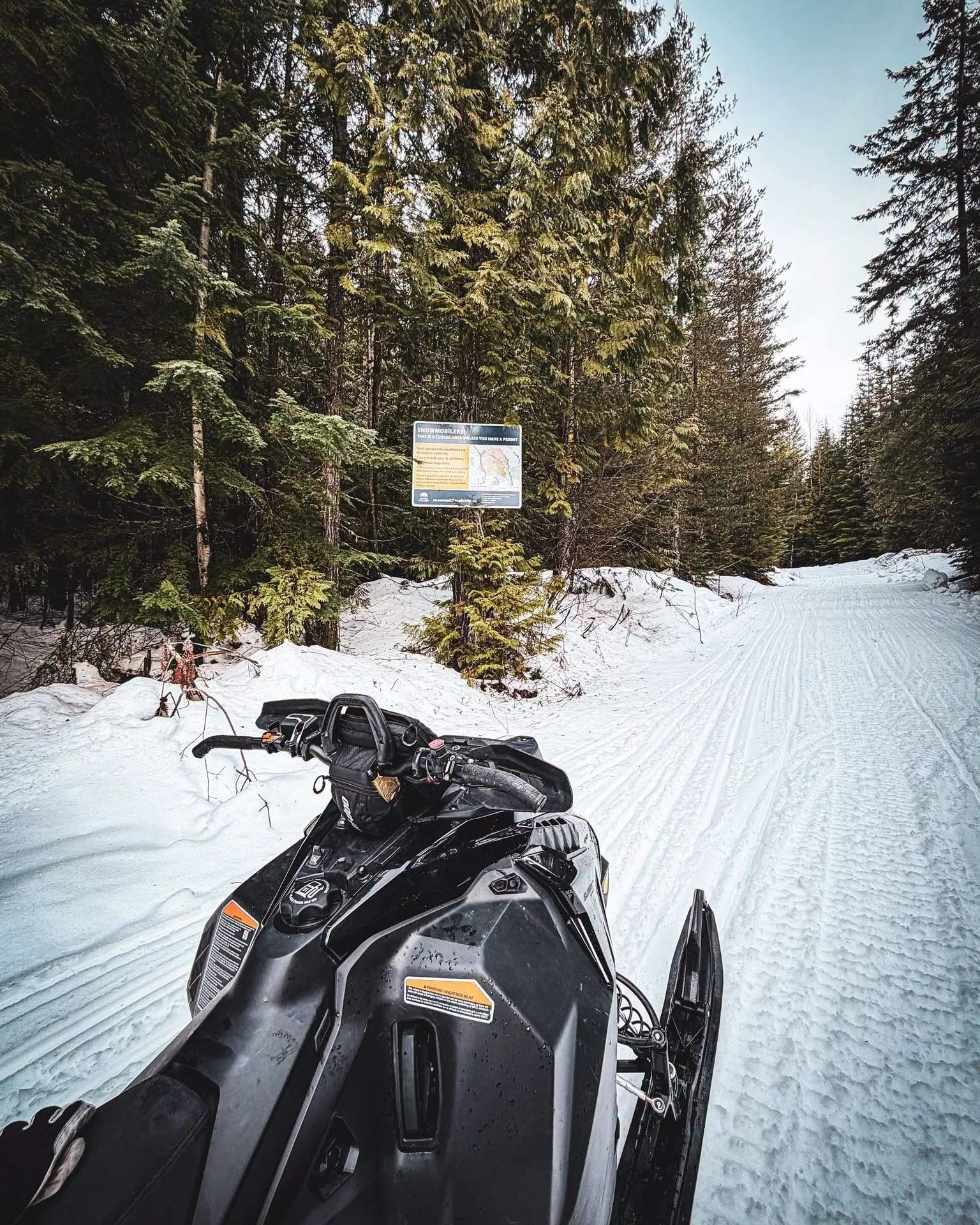
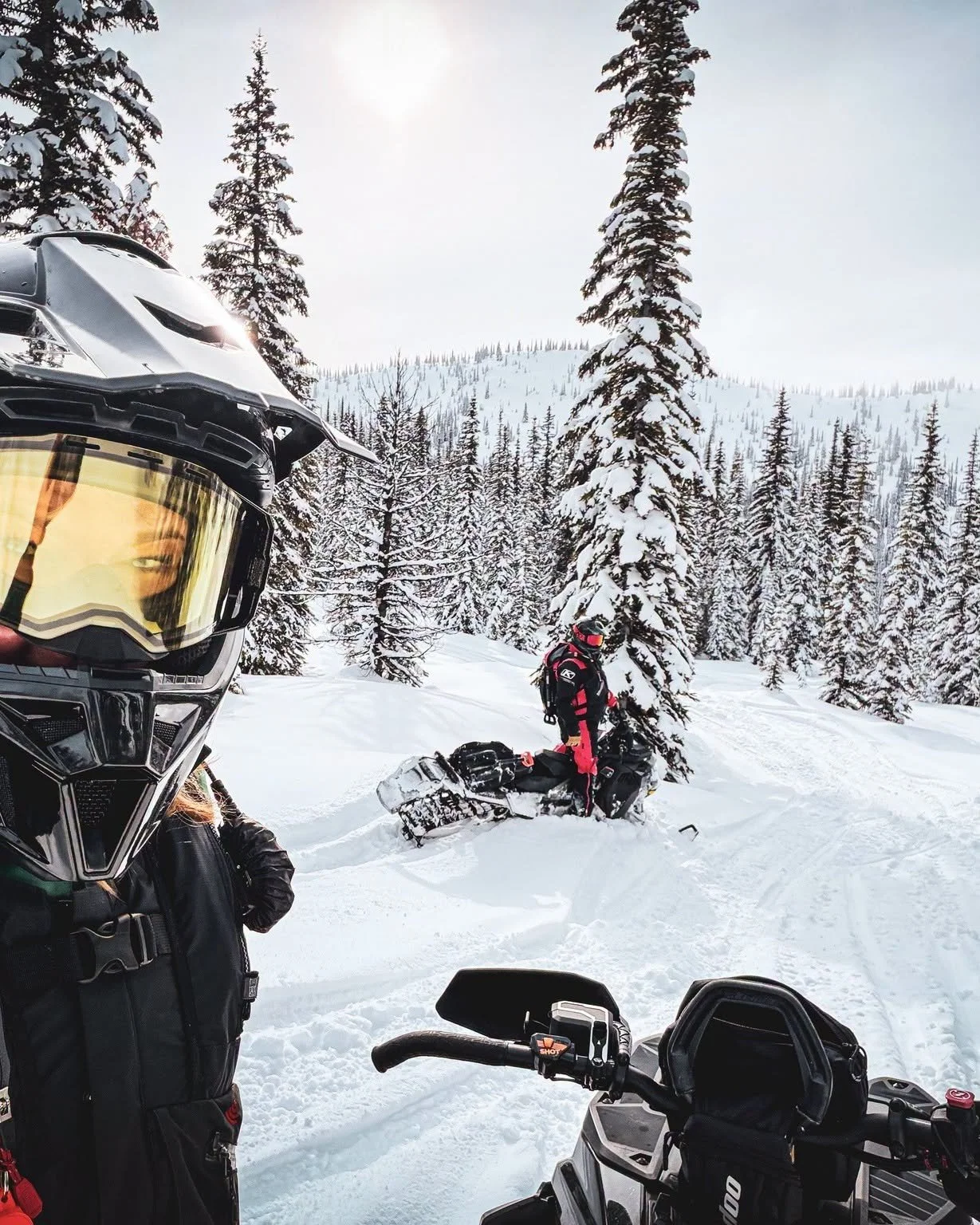
These conversations are also helping inform the development of the new BC Snowmobile Stewardship Guide, which is currently underway. Alongside resources such as the BC Provincial Snowmobile Trail Map, the guide will help provide riders with practical tools that support responsible recreation, informed decision-making, and stewardship on the landscape.
Bringing BC's Voice to National Conversations
From Arrow Lakes, the BCSF travelled to Omaha, Nebraska for the International Snowmobile Congress, where we connected with snowmobile leaders, manufacturers, associations, tourism operators, and industry partners from across North America.
Beyond the recognition of our socio-economic impact work, Congress provided an opportunity to discuss the shared challenges facing organized snowmobiling, including changing winters, land access, volunteer capacity, funding pressures, rider education, and the need for stronger advocacy.
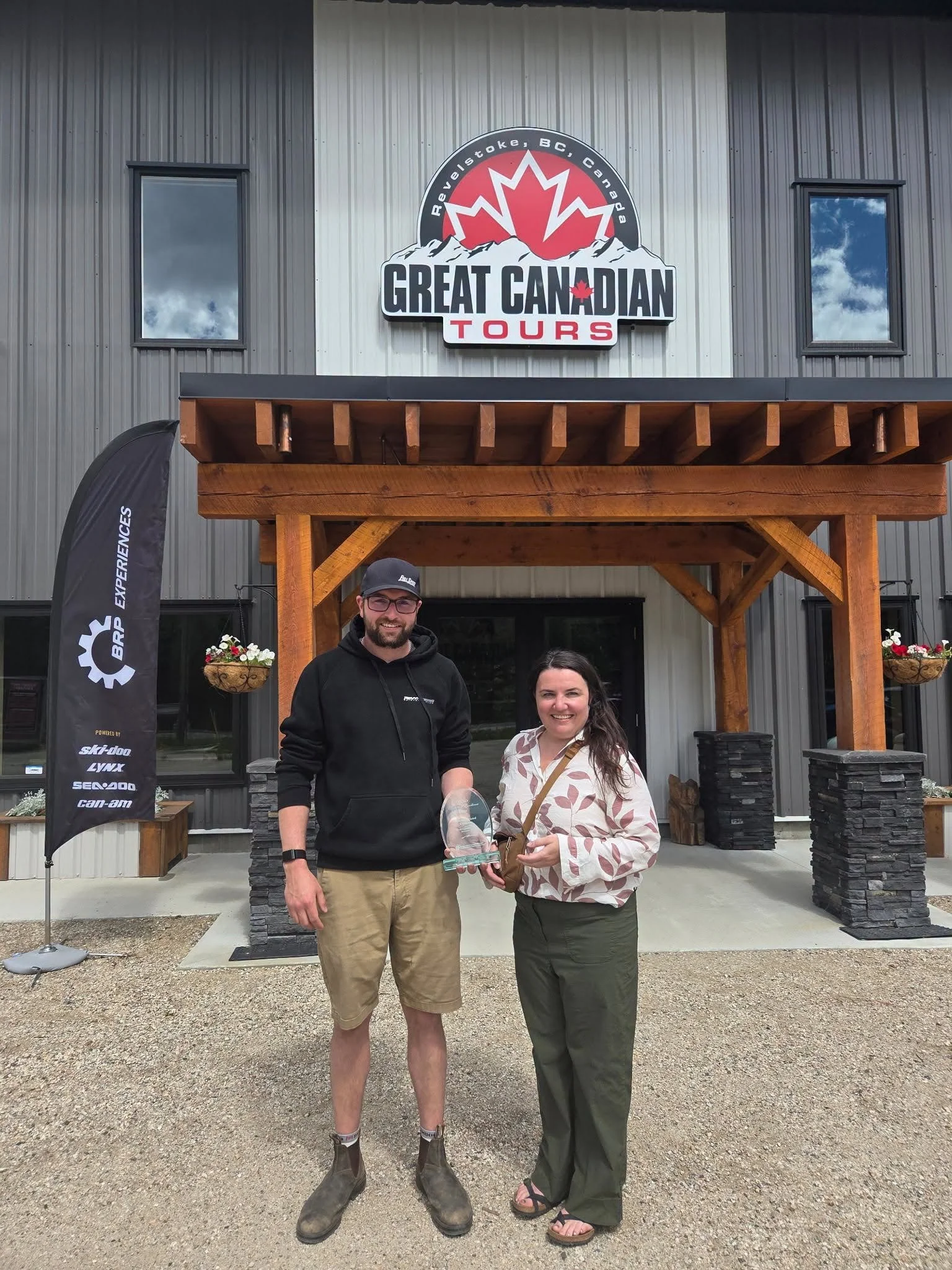
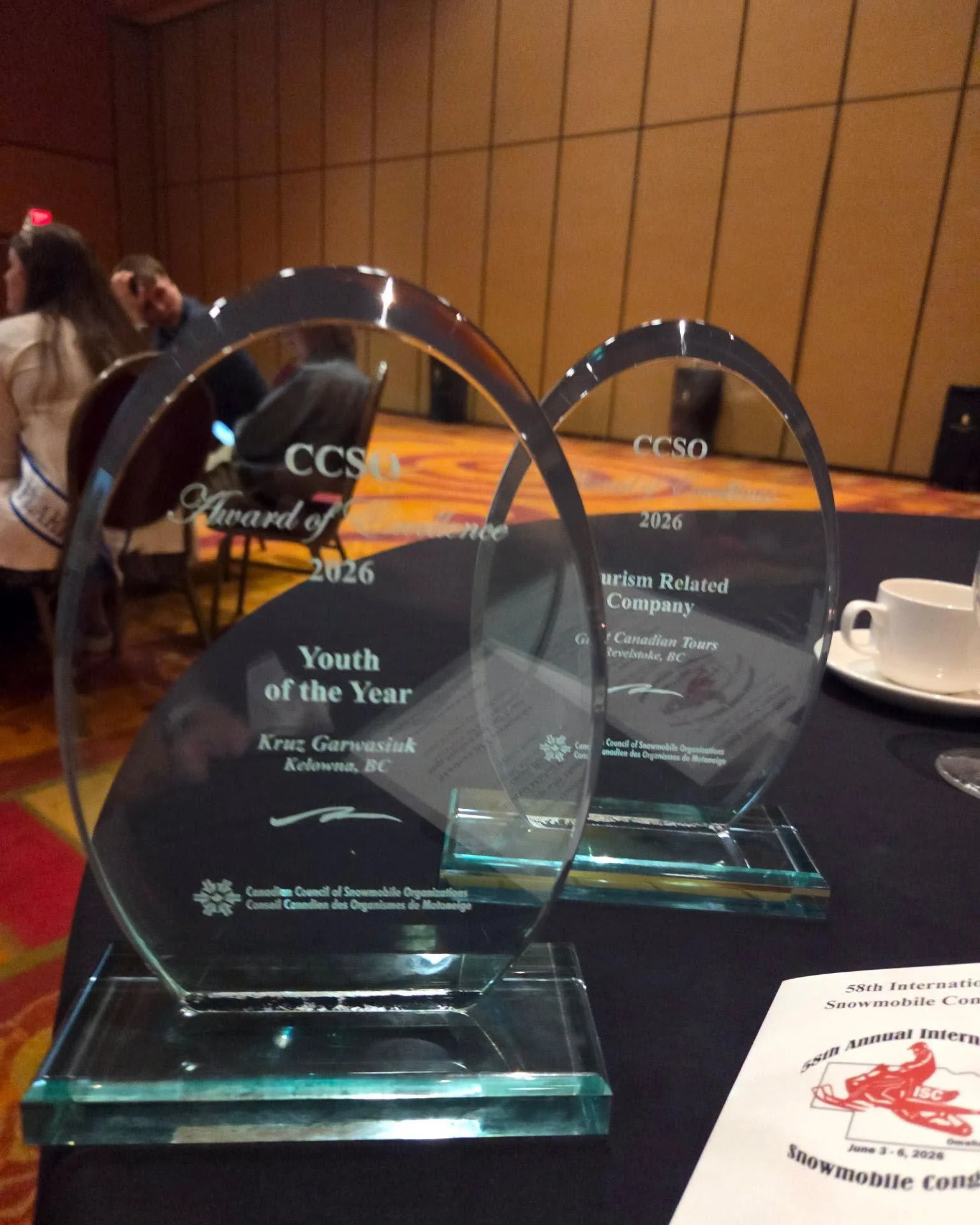
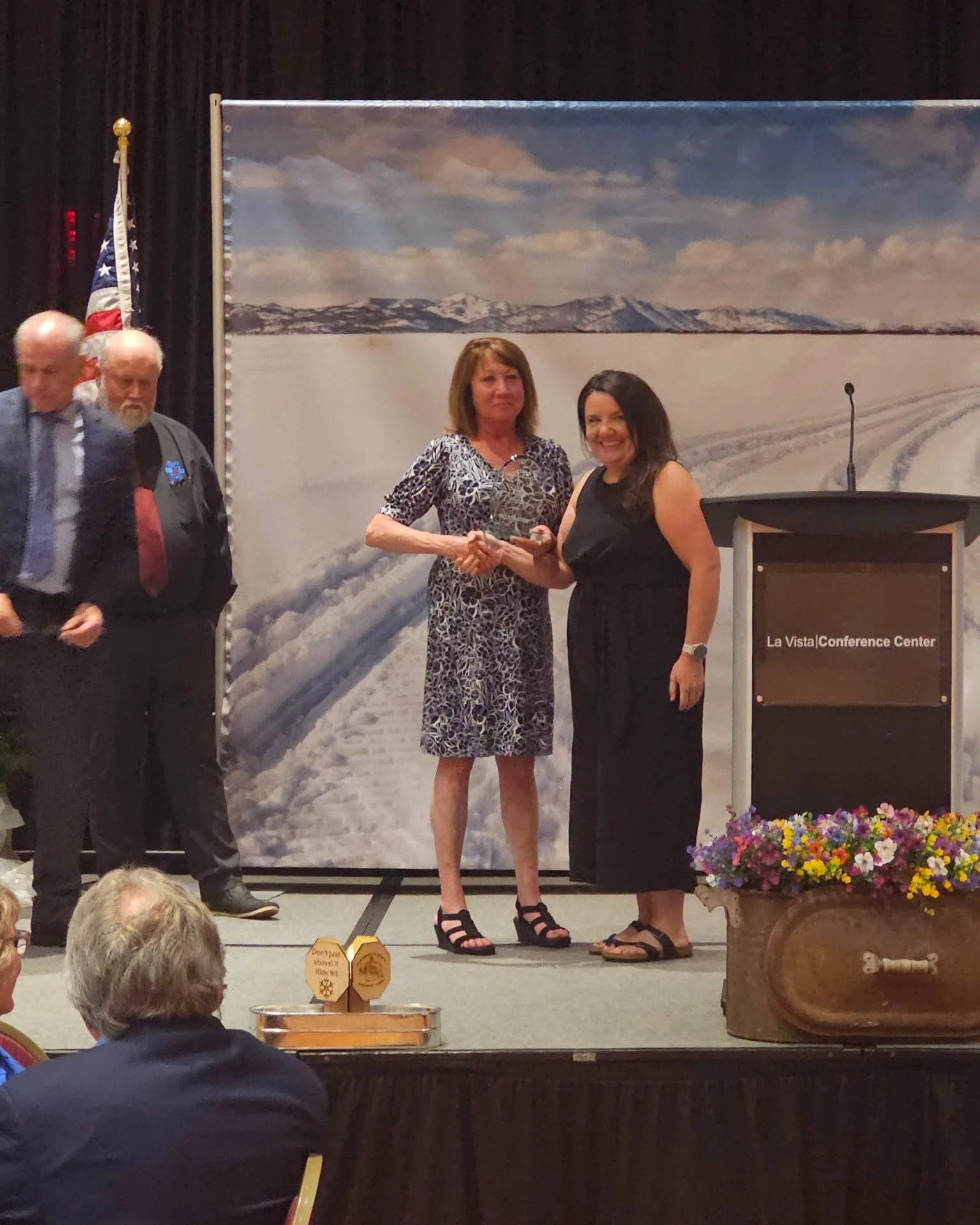
Congress also provided an opportunity to celebrate British Columbia's leadership within the national snowmobile community. The BCSF was proud to present Revelstoke-based Great Canadian Tours with the Canadian Council of Snowmobile Organizations' Outstanding Snowmobile Tourism Promotion and Development Award. We also accepted the CCSO Outstanding Youth Contribution Award on behalf of Kelowna Snowmobile Club member Kruz Garwasiuk. Read more here.
Both recognitions highlight the strength of BC's snowmobiling community and the people helping shape its future.
The challenges facing snowmobiling in British Columbia are often being felt across Canada and beyond. Building relationships, sharing ideas, and learning from other jurisdictions helps strengthen our collective voice and identify opportunities that can benefit riders and clubs here at home.
Bringing Recreation to the Budget Table
Most recently, the BCSF participated in the provincial budget consultation process to speak about the importance of outdoor recreation infrastructure, stable funding, and the role of provincial recreation organizations.
Our message was clear: outdoor recreation is not simply a recreational activity. It is an important contributor to British Columbia's tourism economy, community wellbeing, and rural development.
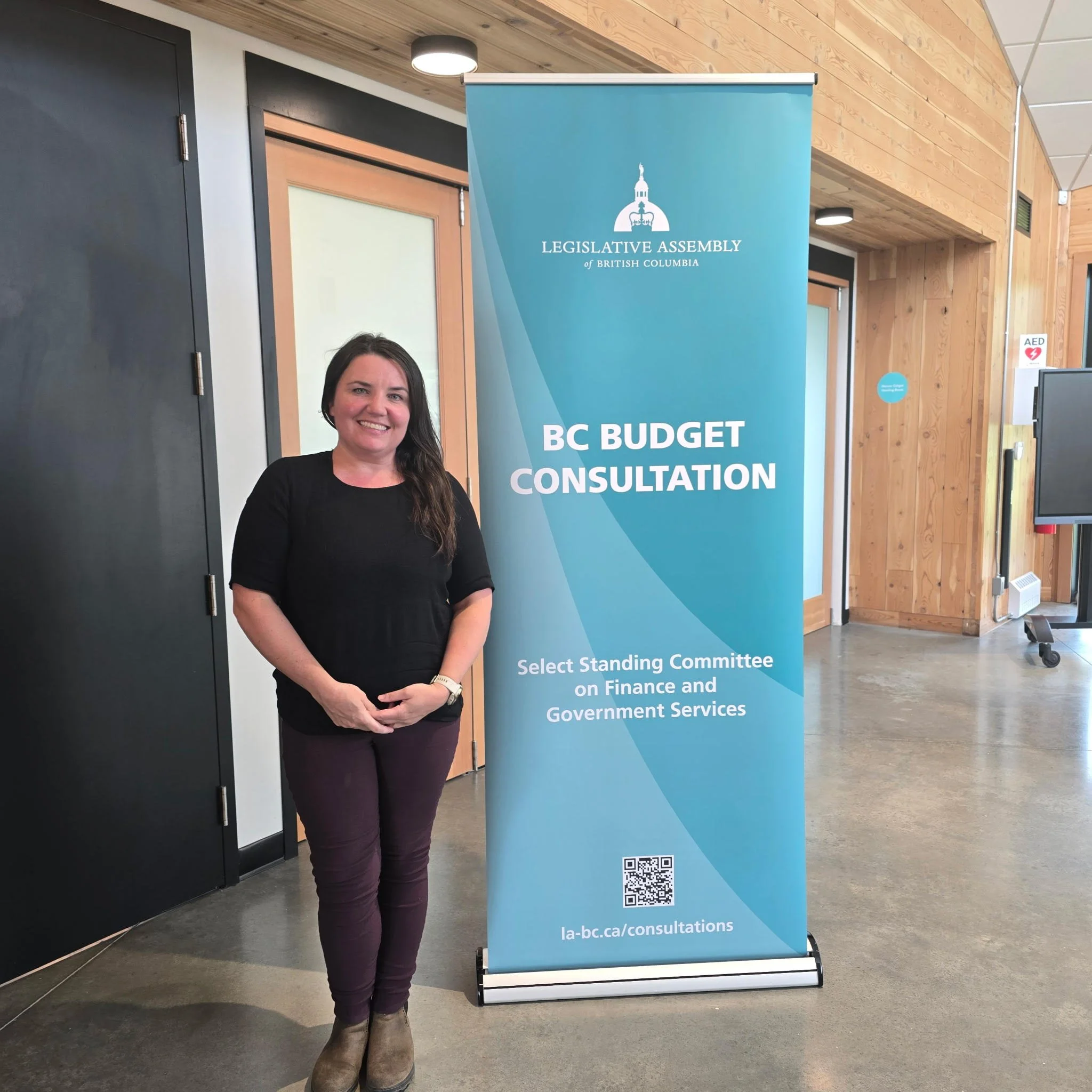
Snowmobile clubs and other recreation organizations are already delivering tremendous value. They maintain trails, support safety, manage access, care for infrastructure, educate users, and help communities benefit from recreation tourism. Yet they continue to do this in an environment of rising costs, aging infrastructure, increasing demand, and limited government capacity.
The BCSF continues to advocate for long-term investment in recreation infrastructure and stronger support for the organizations helping deliver recreation opportunities across the province.
Building Next Winter
While much of our recent work has focused on advocacy, research, and industry engagement, significant work is also underway behind the scenes to support clubs, riders, and communities ahead of the 2026/27 season.
From new educational resources and safety initiatives to stewardship programs, club development opportunities, and destination promotion, our team is actively building tools and programs designed to strengthen organized snowmobiling across British Columbia.
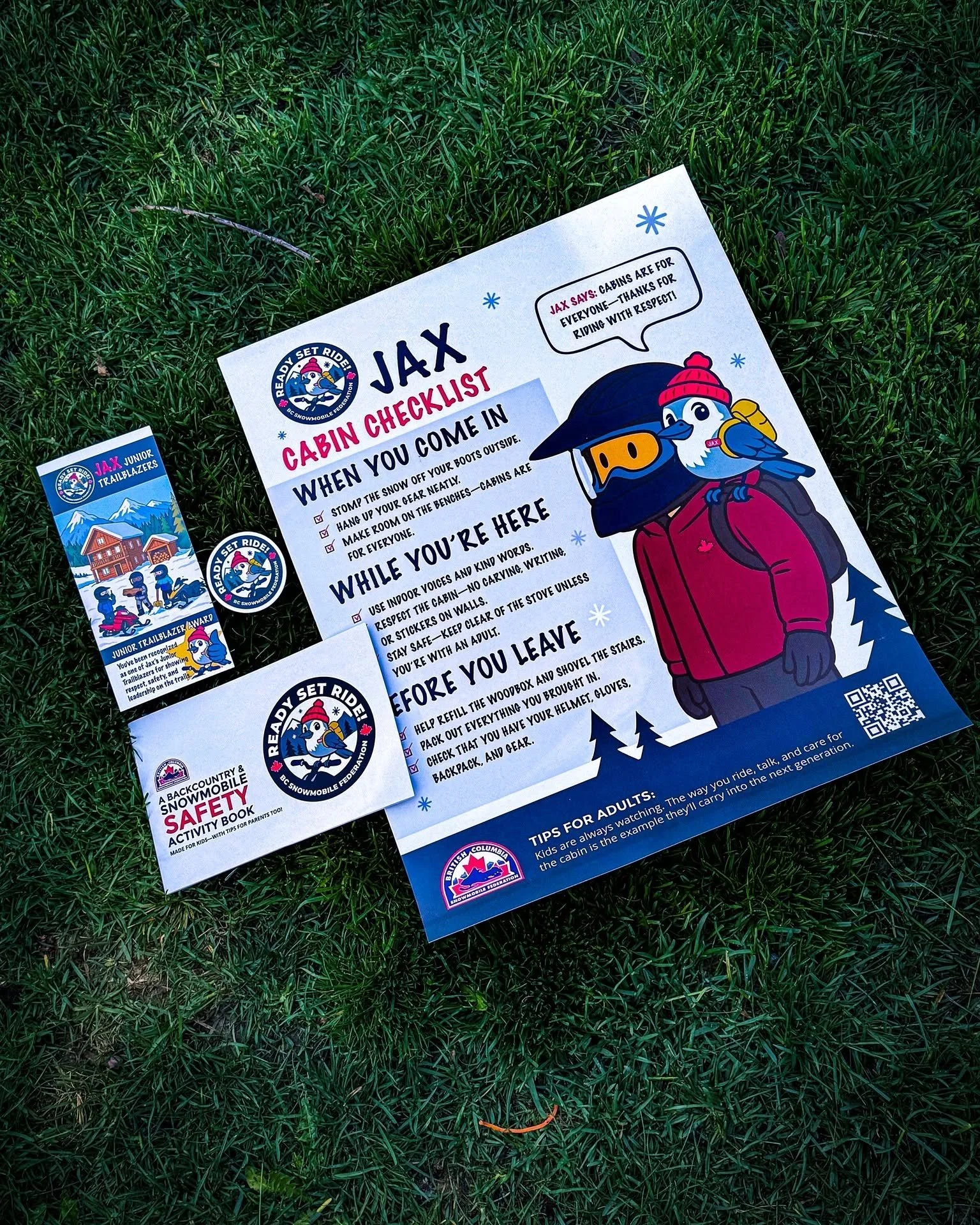
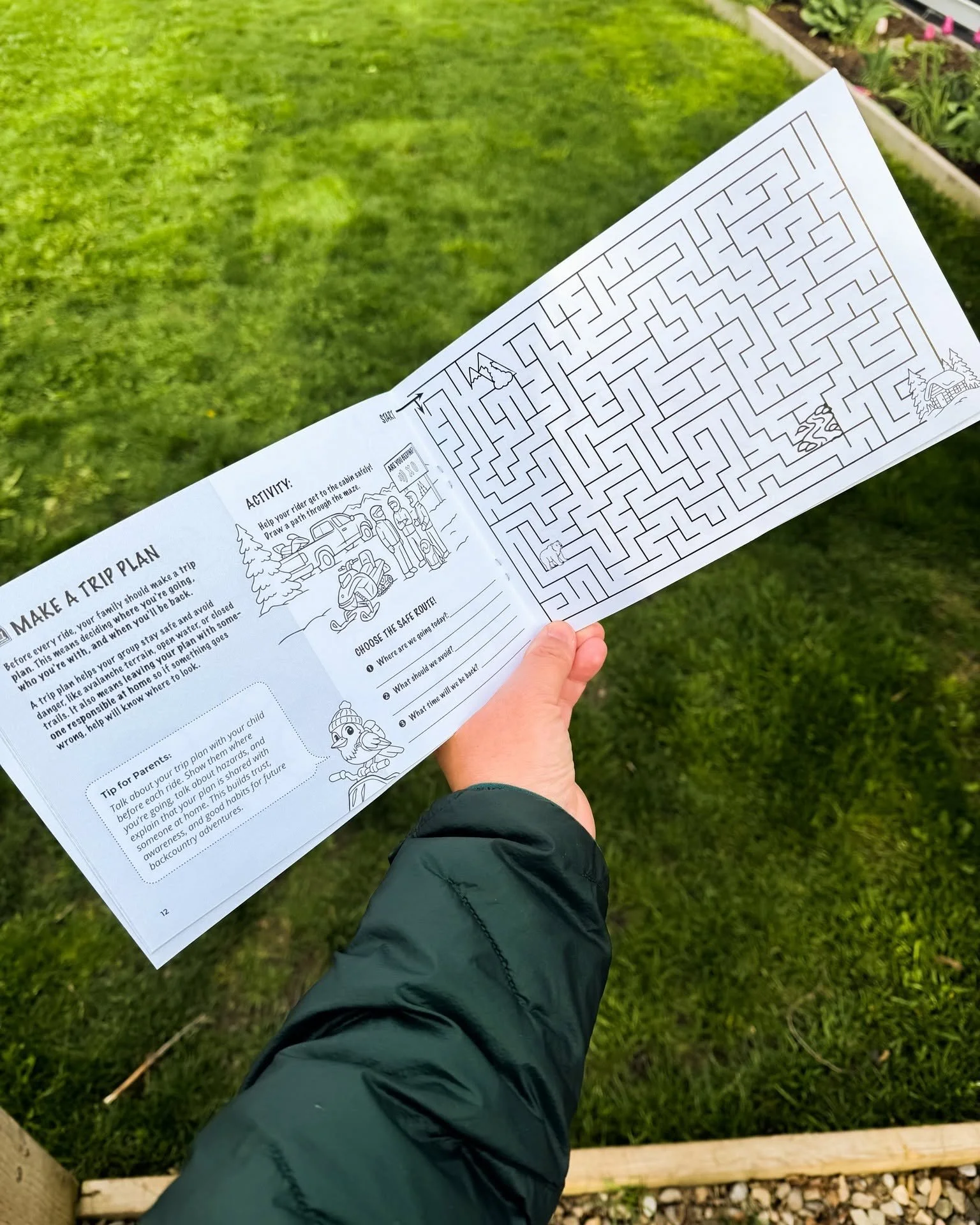
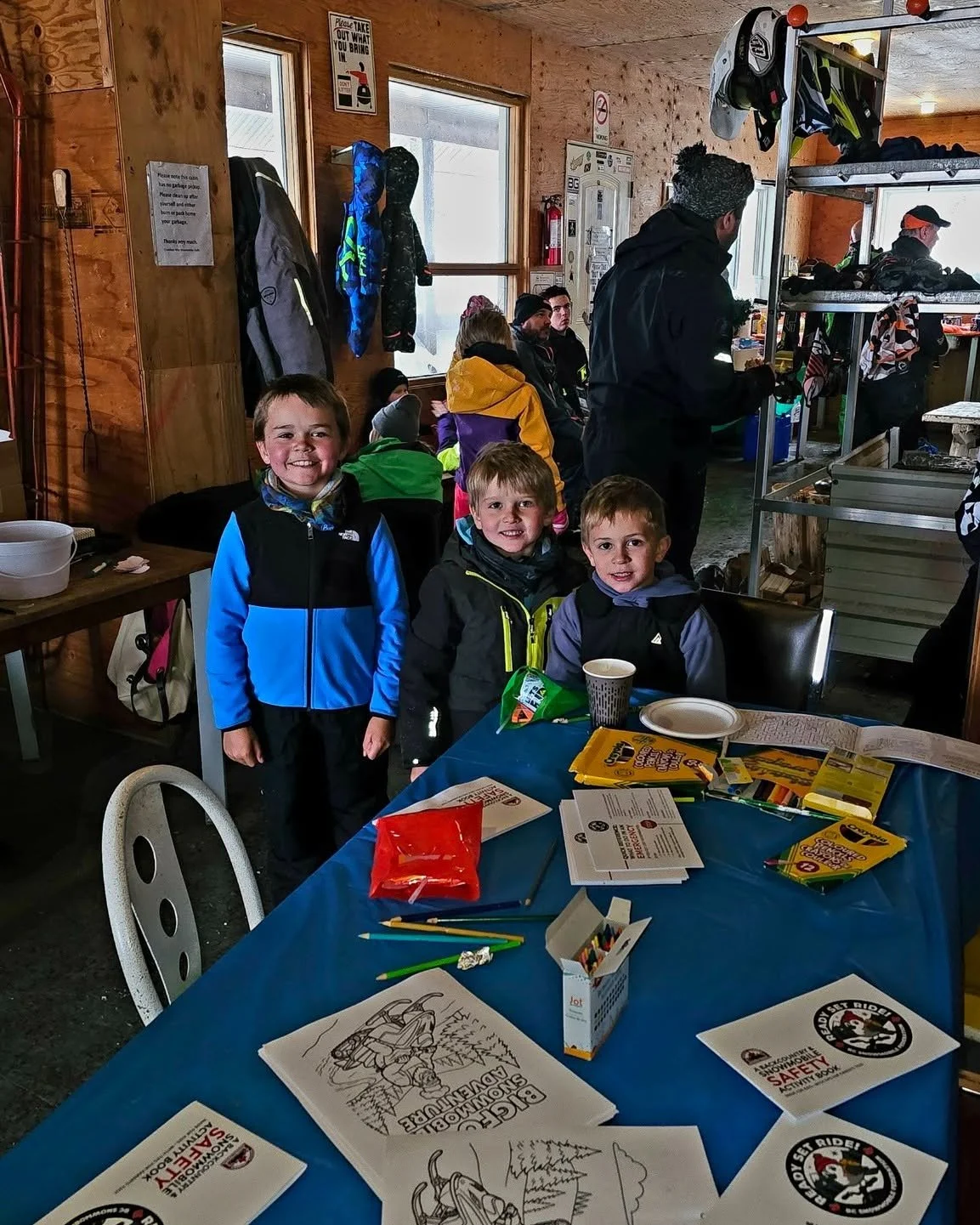
We're also working on several exciting provincial initiatives aimed at bringing riders and clubs together through shared experiences both on and off the snow. Organized snowmobiling has always been about more than trails and riding areas—it's about community. We are looking forward to creating new opportunities that celebrate that spirit while helping strengthen connections across BC's snowmobiling community.
At the same time, we continue to support the growth of BC's snowmobile tourism sector through destination marketing, industry partnerships, and collaboration with communities and commercial operators. Interest in BC snowmobiling continues to grow both regionally and on the world stage, creating exciting opportunities for riders, clubs, communities, and businesses across the province.
We'll be sharing more in the months ahead, but it's safe to say there are some exciting things on the horizon.
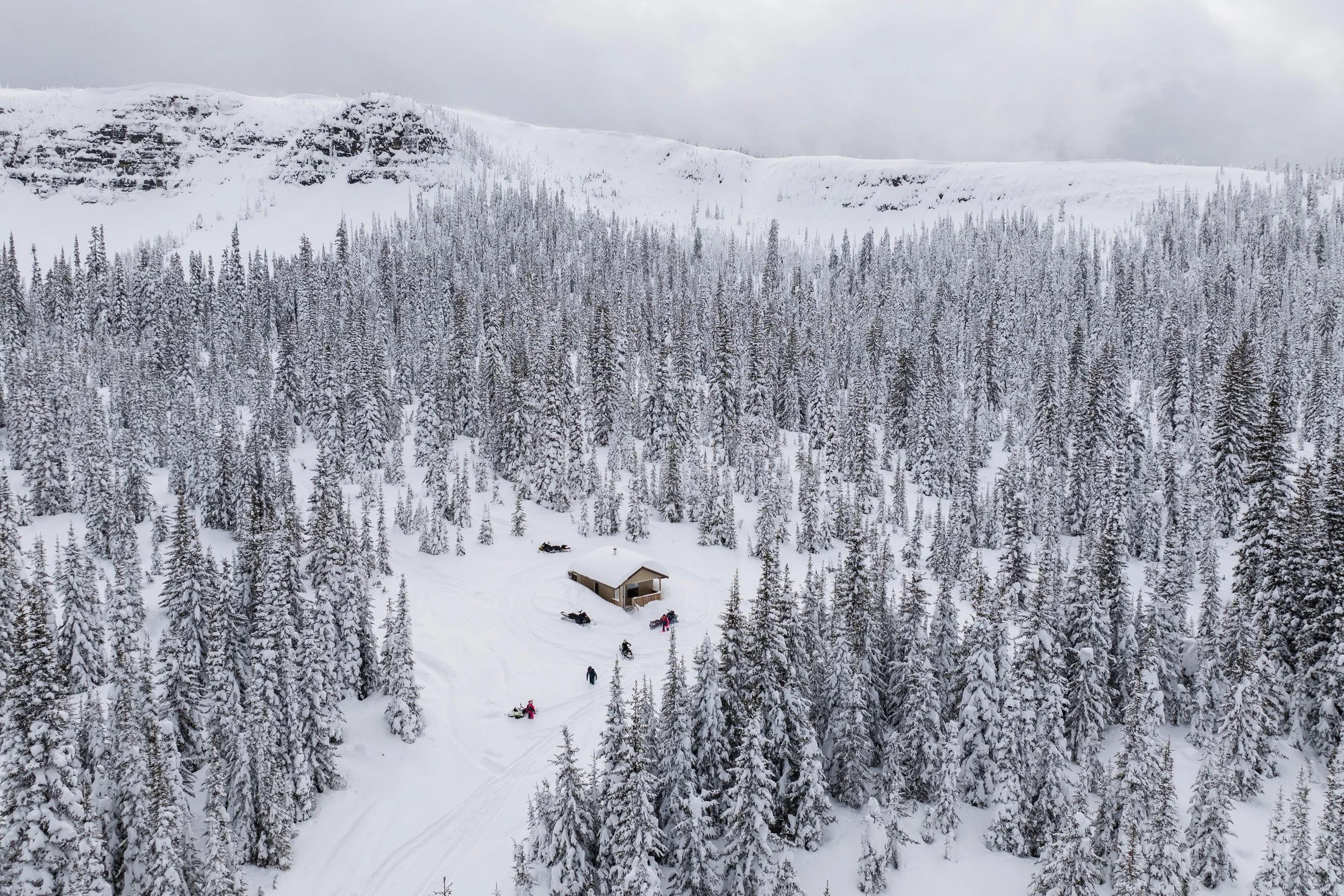
photo: Nick Nault | Cranbrook Snowmobile Club
Looking Ahead
By the time the first snowfall arrives, much of the work that shapes the season has already happened.
The advocacy, research, stewardship initiatives, educational programs, marketing campaigns, and club support resources developed throughout the spring and summer all contribute to the future of organized snowmobiling in British Columbia.
They influence whether trails remain accessible, whether clubs have the tools they need to succeed, whether riders have access to quality education and safety programs, whether communities benefit from snowmobile tourism, and whether our voice is included in the conversations that shape the future of recreation in British Columbia.
So while the sleds may be parked for the season, the work of the BCSF continues.
In many ways, this is when the next season begins.